Root Canal Concerns
Doctor In-Charge: Dr Christine Ma
A root canal treatment is often performed to save a tooth that has been affected by decay, infection, trauma, or inflammation. In many cases, root canal treatment can be highly successful and last for many years. However, if you continue to experience discomfort or develop new symptoms around the treated tooth, it may be a sign that a problem is developing beneath the surface.
Root canal concerns can arise for various reasons and do not always mean that treatment has failed. At kohe™ Dental, we take a comprehensive and holistic approach to identifying the contributing factors and developing a personalised treatment plan that supports long-term and sustainable results.
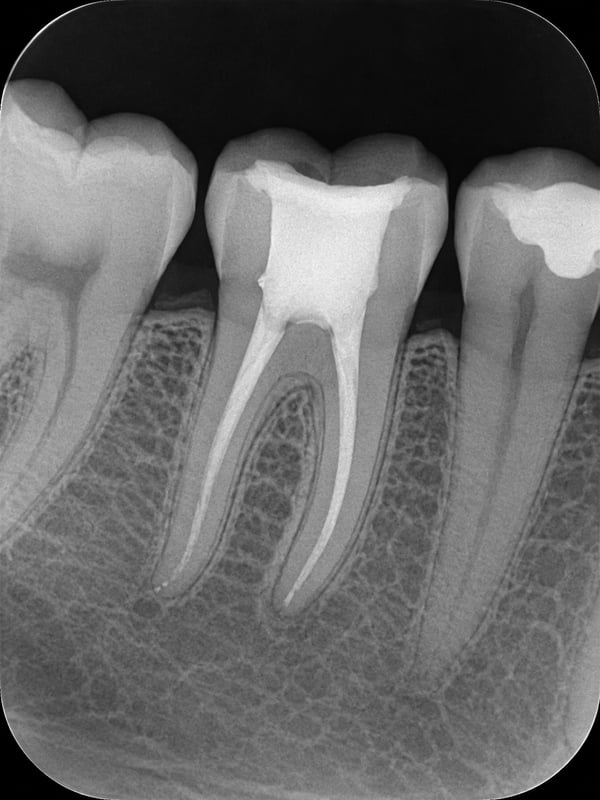
What Problems Can Occur After Root Canal Treatment?
A root canal treatment is designed to remove infection from within a tooth and preserve it for the long term. While many root canal treatments can last for decades, problems may occasionally develop either soon after the treatment or many years later. These issues are often associated with persistent infection, reinfection, structural damage to the tooth, bite-related problems, or factors that affect healing. Effective treatment begins with understanding the root cause and tailoring a plan to each patient's needs.
Signs & Symptoms
You may be experiencing a root canal-related problem if you notice:
Persistent Tooth Pain or Discomfort
Pain When Biting or Chewing
Swelling or Recurring Gum Pimple
Changes in the Appearance of the Treated Tooth
Concerned About Your Symptoms?
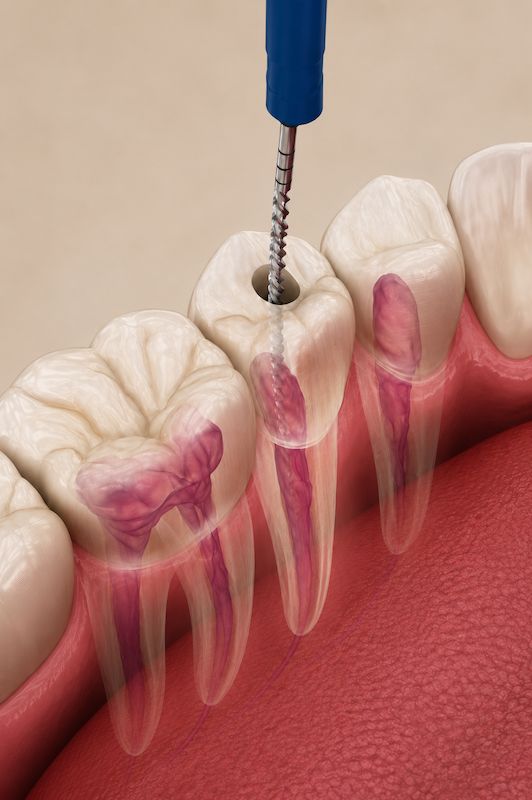
What Causes Problems After Root Canal Treatment?
The exact cause of root canal issues varies from patient to patient. Understanding what is happening beneath the surface allows for a targeted approach to treatment that ensures sustainable long-term results.
Some possible causes include:
- Persistent or recurrent infection caused by bacteria remaining within the root canal
- New bacterial contamination due to leakage around filling, crowns or restorations
- Cracks or fractures that develop within the tooth and allow bacteria to enter
- Excessive forces from grinding, clenching or bite imbalances that place stress on the tooth
- Underlying gum disease, bone loss, medical conditions, or lifestyle factors that affect the body’s natural ability to heal
Why Persistent Symptoms Should Not Be Ignored
Ongoing symptoms following a root canal treatment may indicate that an infection, inflammation or other underlying issues persist. If left untreated, this could lead to progressive bone loss around the tooth, weakening the support structures that help keep the tooth stable and healthy. Delaying treatment may also reduce the likelihood of preserving the natural tooth, resulting in more complex and costly treatments in the future. Early intervention allows the underlying cause to be identified and addressed before the condition progresses further.
How Does kohe™ Dental Assess Root Canal Problems?
Care That Starts With You
An effective treatment plan begins with understanding the underlying cause of your root canal problem. During your consultation at kohe™ Dental, our experienced dental team will conduct a comprehensive assessment of your oral health, existing medical conditions and lifestyle to determine the contributing factors. This enables us to develop a personalised treatment plan that promotes long-term oral health and minimises the risk of complications.
Your consultation begins with a discussion with your dentist where you share your concerns, symptoms and overall health. You may be asked about your treatment history, when you first noticed the symptoms, how often they occur and whether they have worsened over time.
As a holistic dental practice, kohe™ Dental also considers factors beyond the mouth. Your medical history, lifestyle habits and overall oral health are reviewed to identify any potential contributing factors that may result in recurring dental issues.
Next, your dentist will carefully examine your teeth, gums, existing dental work, and overall health. This allows us to assess the condition of your mouth and identify any signs of infection, inflammation, fracture, or structural compromise.
Problems such as teeth grinding, clenching or bite imbalances can contribute to root canal issues. We evaluate how your teeth come together and assess your bite function to determine whether excessive forces could be affecting your oral health.
Dental X-rays may be recommended for a more detailed assessment of the root canal treatment, surrounding bone, hidden infection, fractures, and anatomical complexities. If necessary, a CBCT scan may also be required for a three-dimensional view of the mouth.
After evaluating all possible causes and determining the most likely option, we create a personalised treatment plan designed to address the root cause of the problem. This helps to reduce the likelihood of future relapses. Our goal is to preserve as much natural tooth as possible while resolving the source of the problem.
Treatment Options
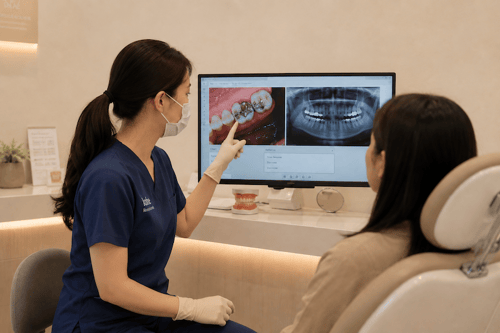
Comprehensive Root Canal Assessment
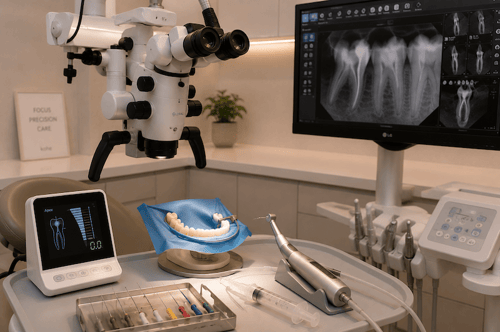
Root Canal Retreatment
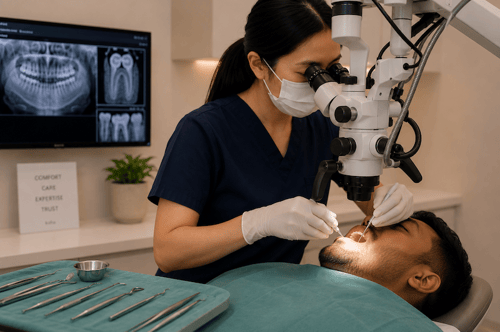
Apicoectomy (Root-End Surgery)
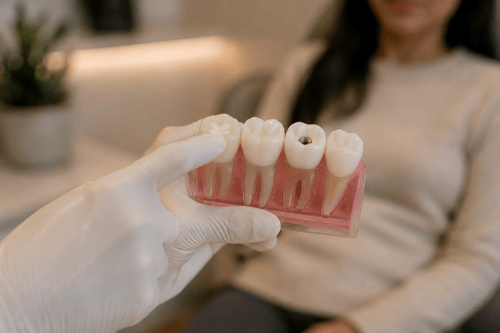
Tooth Restoration or Replacement
Frequently Asked Questions
Do you have questions about repeated dental problems? Here are the most common questions we receive from our patients.
Common signs of reinfection may include pain when biting, swelling, tenderness, a recurring gum pimple, unpleasant taste or discharge, or persistent discomfort around the tooth. A comprehensive dental assessment is required to determine the root cause of the symptoms.
Whenever possible, preserving a healthy natural tooth is generally preferred. However, if the tooth has extensive damage, severe fracture, or cannot be predictably restored, replacement options may need to be considered. Your dentist can help you understand the benefits and limitations of each option based on your individual needs.
Our Holistic Dentist
Dr Christine Ma is a UK-trained holistic and biological dentist that takes a holistic approach to dentistry.
.png?width=1023&height=1280&name=Dr%20Christine%20Ma%20(1023%20x%201280).png)
Dr Christina Ma
Why Visit Dr Christine Ma
- Holistic and biological dentist with a focus on working with conditions experienced by:
- Pregnant women,
- Children who have material sensitivities,
- Patients with medical conditions or allergies and,
- Patients who have had previous bad dental experiences.
- UK-trained dentist who has worked in the United Kingdom for more than 10 years in both public and private service.
- More than 10 years of experience working with biomimetic and minimally invasive dentistry.
- Works with patients who want to correct their oral health in relation to their physical (systemic health).