Tooth Sensitivity and Dental Pain
Doctor In-Charge: Dr Christine Ma
Tooth sensitivity and dental pain can make everyday activities like eating, drinking or brushing your teeth uncomfortable. While mild pain may not indicate anything serious, persistent and worsening discomfort could point to underlying issues that are affecting the health of your teeth, gums, or supporting structures. Understanding the cause of your symptoms is an important first step towards finding lasting relief and protecting your long-term oral health.

What are Tooth Sensitivity and Dental Pain?
Tooth sensitivity and dental pain are symptoms that may occur when the teeth, gums or dental nerves become irritated, damaged or inflamed. Tooth sensitivity is often experienced as sharp discomfort when exposed to certain triggers such as cold drinks, hot foods or even cold air. On the other hand, dental pain may present as an aching, throbbing sensation or discomfort when eating. While the severity of these symptoms may vary, they are often an indication of an underlying issue that requires professional assessment.
Signs & Symptoms
You may be experiencing tooth sensitivity and dental pain if you experience any of the following symptoms:
Sensitivity to Hot, Cold, Sweet or Acidic Foods
Pain When Biting or Chewing
Persistent Toothache
Localised Pain or Discomfort
Concerned About Your Symptoms?
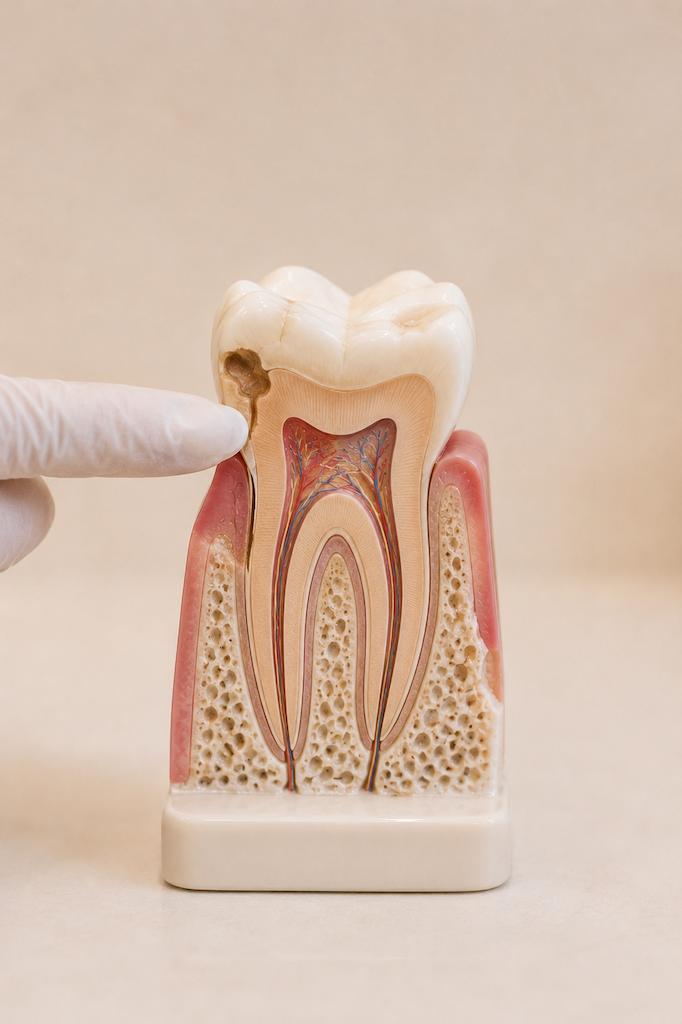
What Causes Tooth Sensitivity and Dental Pain?
Tooth sensitivity and dental pain stem from a range of sources, each unique to the individual. Identifying the root cause of the sensitivity is an important step in allowing dentists to create targeted treatments that provide long-term, sustainable outcomes.
Some possible causes include:
- Decays that damage the outer layers of the tooth and expose the inner layers
- Advanced cavities that impact the dental nerve
- Enamel wear and gum recession that exposes the root surface
- Cracked or damaged teeth that allow external stimuli to reach deeper layers of the tooth
- Infections within the tooth or surrounding tissues
- Teeth grinding, clenching or bite imbalances
Why Tooth Sensitivity and Dental Pain Should Not Be Ignored
Tooth sensitivity and pain are often a telltale sign that something is affecting the health of your teeth and gums. Ignoring the warning signs can cause the underlying issue to progress over time, eventually requiring more complex and costly treatments. If you are experiencing signs of tooth sensitivity, early intervention gives you the best chance of preserving your natural teeth and maintaining long-term oral health.
How Does kohe™ Dental Assess Tooth Sensitivity and Dental Pain?
Care That Starts With You
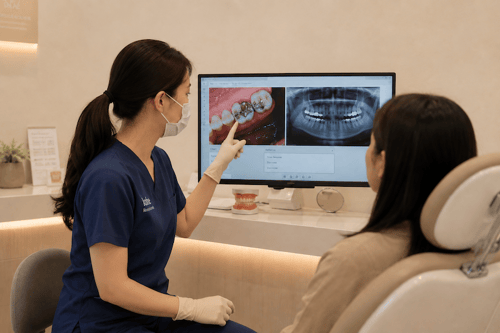
An effective treatment plan begins with understanding the root cause of your recurring tooth sensitivity and dental pain. During your consultation at kohe™ Dental, our experienced dental team will conduct a comprehensive assessment of your oral health, existing medical conditions and lifestyle to determine the underlying cause. This allows us to create a targeted treatment plan that supports long-term oral health and reduces the risk of complications.
Your consultation begins with a discussion with your dentist where you share your symptoms, when they occur, how severe they are and what triggers them. Your dentist will also review any previous dental treatments and relevant medical conditions.
As a holistic dental practice, kohe™ Dental also considers factors beyond the mouth. Your lifestyle habits and overall health are reviewed to identify any potential contributing factors that may result in recurring dental issues.
Next, your dentist will carefully examine your teeth, gums, existing restorations, and surrounding tissues. This allows us to identify any signs of decay, fractures, gum recession, wear, or infection.
Following that, we evaluate how your teeth come together when biting and chewing to look for signs of clenching, grinding, or excessive bite forces.
Dental X-rays may be recommended for a more detailed assessment of areas within the mouth that cannot be seen during a visual examination. This helps to identify decay, infections, cracks, bone loss, and other underlying concerns.
After evaluating all possible causes and determining the most likely option, we create a personalised treatment plan designed to address the root cause of the problem. This helps to reduce the likelihood of future relapses. Our recommendations may include preventive, restorative, periodontal, bite-related, or lifestyle-based interventions.
Treatment Options
Comprehensive Dental Assessment
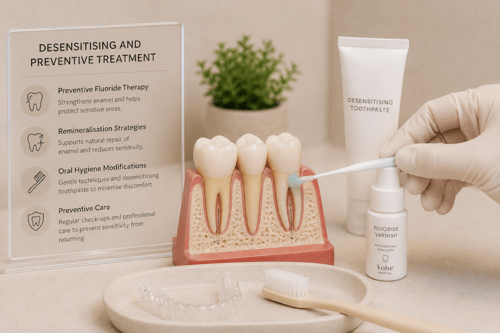
Desensitising and Preventive Treatment
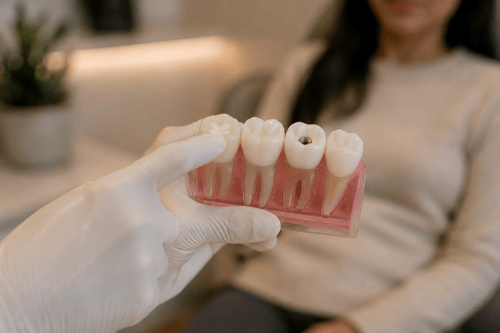
Restorative Dental Treatment

Bite and Lifestyle Management
Frequently Asked Questions
Do you have questions about repeated dental problems? Here are the most common questions we receive from our patients.
In most cases, a root canal is not required to treat tooth sensitivity. Sensitivity is usually caused by exposed dentine due to enamel wear, gum recession, decay, or teeth grinding. Root canal treatments are generally only recommended when there is severe damage to the dental nerve from advanced decay or cracks. A dental assessment can determine the exact cause of your symptoms and determine the best treatment option.
Yes, chronic stress can have a significant impact on oral health. Many people are unaware that they unconsciously clench or grind their teeth during stressful periods, especially during sleep. Over time, this causes tooth wear, muscle tension and increased tooth sensitivity. Stress may also affect sleep quality, which further inhibits the body’s ability to manage inflammation. Addressing stress-related factors is an important step in a comprehensive treatment plan.
Our Holistic Dentist
Dr Christine Ma is a UK-trained holistic and biological dentist that takes a holistic approach to dentistry.
.png?width=1023&height=1280&name=Dr%20Christine%20Ma%20(1023%20x%201280).png)
Dr Christina Ma
Why Visit Dr Christine Ma
- Holistic and biological dentist with a focus on working with conditions experienced by:
- Pregnant women,
- Children who have material sensitivities,
- Patients with medical conditions or allergies and,
- Patients who have had previous bad dental experiences.
- UK-trained dentist who has worked in the United Kingdom for more than 10 years in both public and private service.
- More than 10 years of experience working with biomimetic and minimally invasive dentistry.
- Works with patients who want to correct their oral health in relation to their physical (systemic health).