Dental Anxiety and Treatment Sensitivity
Doctor In-Charge: Dr Christine Ma
Visiting the dentist should not be a stressful experience. However, if you face fear, anxiety or sensitivity, it may be challenging for you to attend regular dental appointments or receive the treatment that you require. While these concerns are common, they can be managed with the right support and a gentle treatment approach. Understanding the underlying cause of your dental anxiety or treatment sensitivity will help make your dental check-ups more comfortable and allow you to receive the treatment that you require.
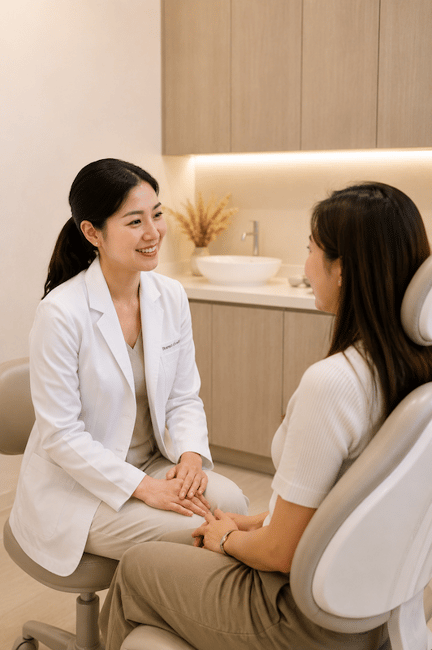
Understanding Dental Anxiety and Treatment Sensitivity
Dental anxiety refers to the fear, worry or nervousness associated with visiting the dentist or undergoing dental treatment. While some people feel mild apprehension before an appointment, others may feel fear so crippling that they avoid visiting the dentist altogether. Avoiding dental treatment in the long run can allow oral health issues to deteriorate, resulting in more complex and costly treatments in the future.
Treatment sensitivity refers to the pain or discomfort experienced during dental procedures. Some patients naturally have more sensitive teeth or gums, while others may be particularly sensitive to injections, vibrations or the sensation of dental instruments. Previous painful experiences at the dentist can also make treatment feel more uncomfortable.
Dental anxiety and treatment sensitivity often occur together. Anxiety can heighten a person’s awareness of discomfort, while unpleasant experiences at the dentist may increase nervousness around future treatment. Identifying your dental anxiety or treatment sensitivity helps your dentist tailor your care and ensure your comfort throughout the process.
Signs and Symptoms
If you experience any of the following symptoms, it could suggest that you have dental anxiety or treatment sensitivity.
Nervousness Before Appointment
Avoiding or Delaying Dental Care
Physical Signs of Anxiety
Increased Sensitivity During Treatment
Concerned About Dental Treatment?
If dental anxiety or treatment sensitivity is making it difficult for you to receive the care you need, speak to our dental team today to explore personalised ways to make your treatment experience more comfortable.
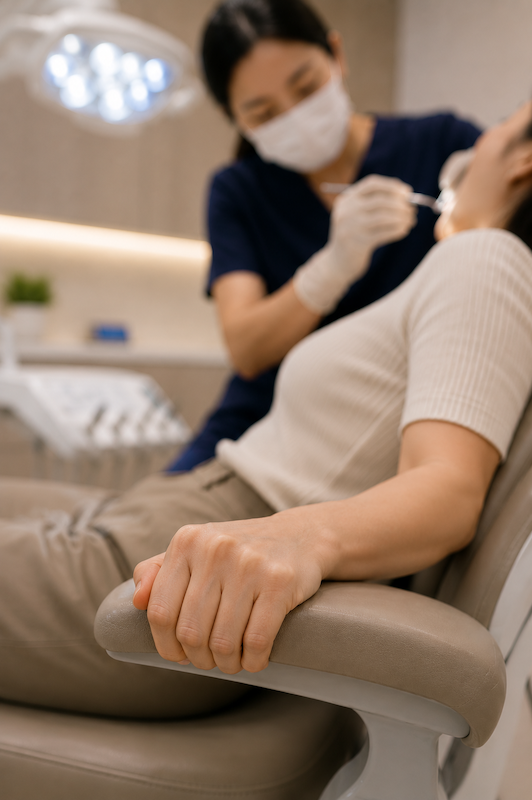
What Causes Dental Anxiety and Treatment Sensitivity?
Dental anxiety and treatment sensitivity are often caused by a combination of factors rather than a single issue. Identifying the root cause of your fear and sensitivity can help your dentist plan your treatment around your comfort.
Some possible causes include:
- Previous painful dental experiences
- Fear of pain, injections or dental instruments
- Sensitive teeth
- Inflamed gums
- Strong gag reflex or inability to keep the mouth open
- Past trauma or general anxiety disorders
- Sensitivity to sounds, smells or vibrations
- Feeling of lack of control during treatment
Why Dental Anxiety and Treatment Sensitivity Should Not Be Ignored
Before symptoms turn into more complex issues, it is important to address dental anxiety and treatment sensitivity as soon as possible. Actively avoiding dental care can lead to simple issues, such as tooth decay or gum inflammation, developing into more complex conditions that require extensive treatment. This may further worsen anxiety around dental care as more complex treatments often cause more discomfort. Seeking professional care early allows your dentist to understand your concerns and develop a treatment plan that works around your fears.
How Does kohe™ Dental Assess Dental Anxiety and Treatment Sensitivity?
Care That Starts With You
An effective and comfortable treatment plan begins with understanding the cause of your dental anxiety or treatment sensitivity. During your consultation at kohe™ Dental, our experienced dental team takes extra care to understand your previous dental experiences and create a treatment plan that focuses on your comfort and peace of mind.
Your consultation begins with a discussion with your dentist where you share your symptoms, concerns and oral health history. Your dentist may ask about your previous dental experiences, specific fears, pain triggers and sedation history. Any relevant medical conditions will also be reviewed to provide a clear picture of your overall health.
Next, your dentist will carefully examine your teeth, gums, and overall oral health. This helps identify any existing dental conditions, such as tooth decay, gum disease or tooth sensitivity, that may be contributing to discomfort during treatment. The examination also allows your dentist to determine the urgency of your treatment so that your care can be planned in a way that supports your comfort.
If necessary, dental X-rays may be recommended for a more detailed assessment of areas within the mouth that cannot be seen during a visual examination. This helps to identify hidden decay, infections and bone loss to improve treatment planning.
After evaluating all possible causes and determining the most likely option, we create a personalised treatment plan designed with your comfort as a priority. This may include breaking treatment into shorter appointments, gentle technique and sedation where appropriate.
Treatment Options
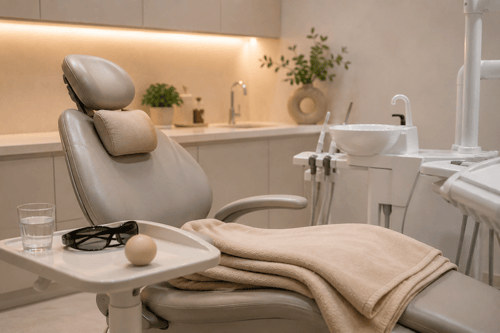
Gentle, Patient-Centred Dental Care
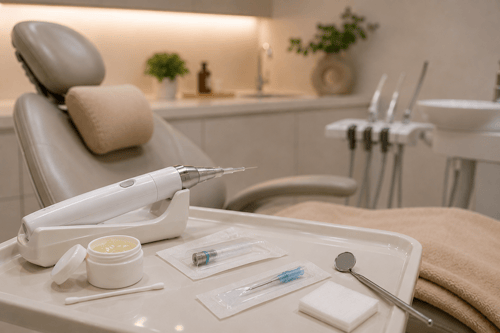
Comfortable Pain Management
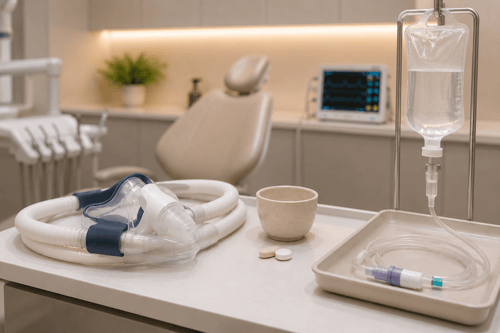
Sedation Dentistry
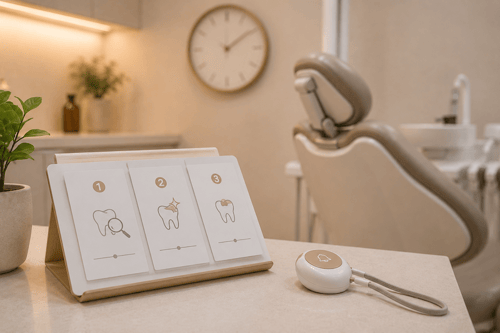
Personalised Anxiety Management
Frequently Asked Questions
Have questions about dental anxiety or treatment sensitivity? Here are the most common questions we receive from our patients.
The best way to make your dental appointment more comfortable is to express your fears and concerns to your dentist before your appointment. This allows your dentist to prioritise gentle techniques, open communication and effective pain management where appropriate to help you reduce your anxiety.
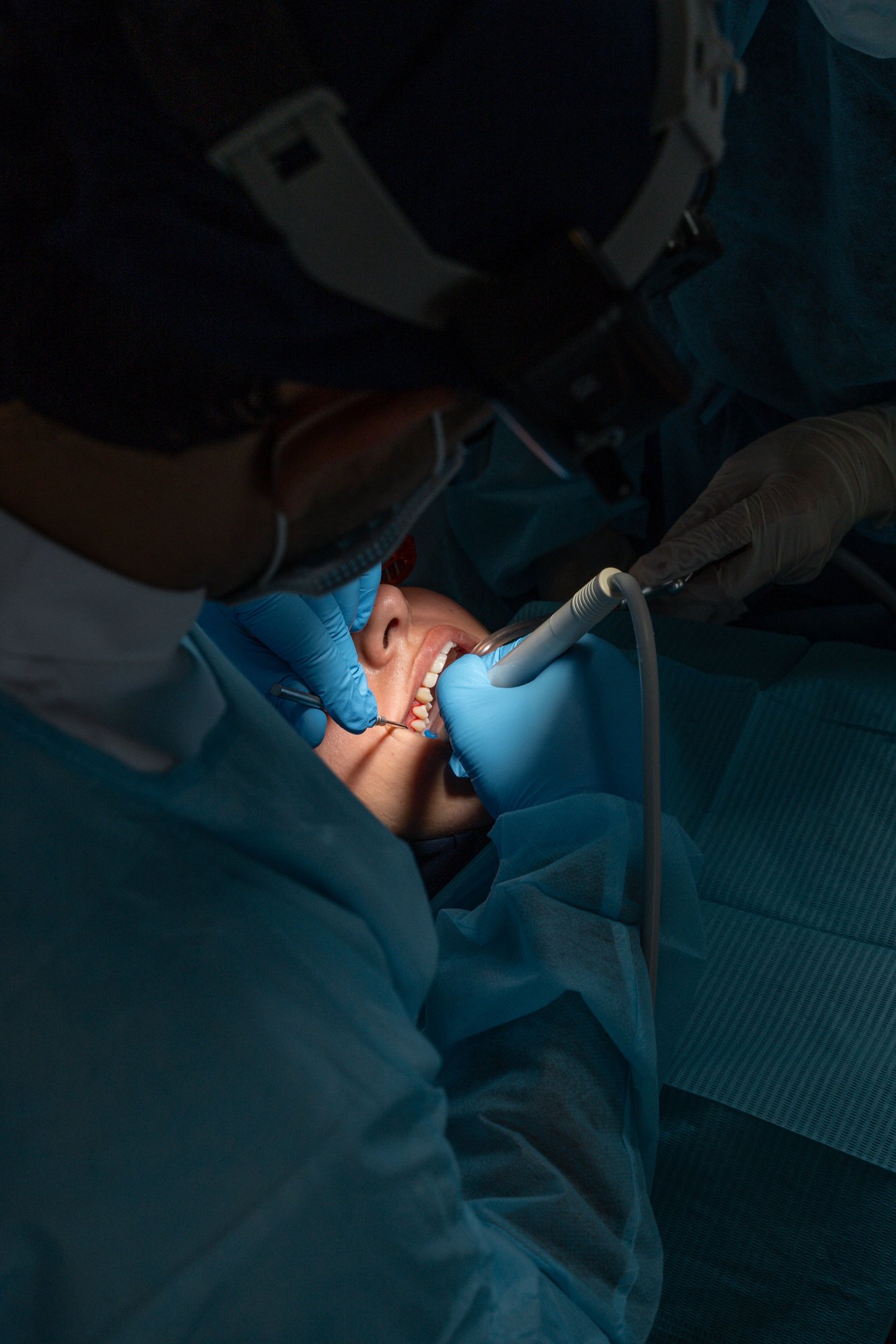
Our Holistic Dentist
Dr Christine Ma is a UK-trained holistic and biological dentist that takes a holistic approach to dentistry.
.png?width=1023&height=1280&name=Dr%20Christine%20Ma%20(1023%20x%201280).png)
Dr Christina Ma
Why Visit Dr Christine Ma
- Holistic and biological dentist with a focus on working with conditions experienced by:
- Pregnant women,
- Children who have material sensitivities,
- Patients with medical conditions or allergies and,
- Patients who have had previous bad dental experiences.
- UK-trained dentist who has worked in the United Kingdom for more than 10 years in both public and private service.
- More than 10 years of experience working with biomimetic and minimally invasive dentistry.
- Works with patients who want to correct their oral health in relation to their physical (systemic health).