Chronic Gum Inflammation
Doctor In-Charge: Dr Christine Ma
Bleeding, tender and swollen gums are often easy to ignore, especially when they do not cause significant discomfort. However, these symptoms are early signs of chronic gum inflammation. As the symptoms develop gradually and without pain, many patients are unaware that there is an underlying problem until much later. Addressing gum inflammation early allows the underlying cause to be identified and can prevent more serious complications later on.
At kohe™ Dental, we look beyond the symptoms to understand what may be contributing to the inflammation and develop a treatment plan that supports your long-term gum health. If your gums have been bleeding, feeling tender or appearing swollen for some time, it may be worth having them assessed. Book a consultation with kohe™ Dental to take the first step towards healthier gums.

What is Chronic Gum Inflammation?
Chronic gum inflammation occurs when the gum tissue remains inflamed for an extended period in response to persistent irritation and bacterial infection. Unlike temporary inflammation that subsides within a few days, chronic inflammation persists because the underlying cause remains present. The condition may affect a small area around the tooth or the gums throughout the mouth. While healthy gums appear firm, pink and fit snugly around the teeth, inflamed gums are often red, puffy and more sensitive.
Chronic gum inflammation is commonly associated with gingivitis, but can also be influenced by other factors such as mouth breathing, dry mouth, medical conditions and lifestyle. When left unmanaged, chronic inflammation can eventually affect not only the gums but also the bone and tissues supporting the teeth.
Signs and Symptoms
If you experience any of the following symptoms, it could suggest an underlying problem that requires professional assessment.
Bleeding Gums
Red or Swollen Gums
Tender Gums
Persistent Bad Breath
Concerned About Your Symptoms?
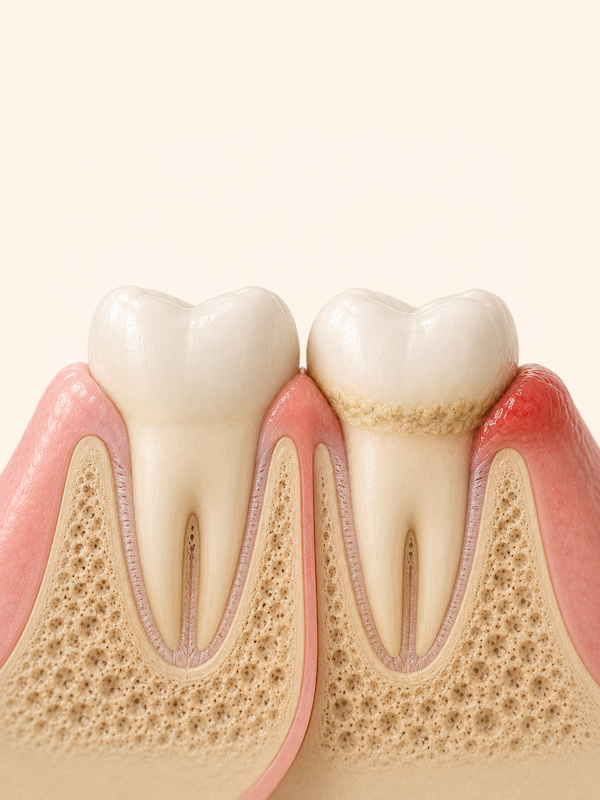
What Causes Chronic Gum Inflammation?
The health of your gums is influenced by more than just brushing and flossing. Chronic gum inflammation can develop as a result of factors within the mouth, as well as broader lifestyle and health-related influences. Identifying these factors allows your treatment to not only resolve the symptoms, but also the root cause of the inflammation.
- The accumulation of plaque around the teeth and gumline
- Gingivitis or periodontal disease
- Mouth breathing and dry mouth
- Medical conditions such as diabetes, hormonal changes, chronic stress, smoking, and poor nutrition
Why Chronic Gum Inflammation Should Not Be Ignored
Chronic gum inflammation is more than just an inconvenience. What may seem like minor symptoms at first can develop into serious problems in the future. Without proper treatment, the inflammation can continue to damage the tissues that support your teeth and affect your long-term health. This may lead to issues such as gum disease, gum recession, bone loss and tooth loss. Furthermore, treatment becomes increasingly complicated over time, resulting in patients having to spend more time and money to resolve the issue.
How Does kohe™ Dental Assess Chronic Gum Inflammation?
Care That Starts With You
Effective treatment begins with understanding the root cause of the inflammation. During your consultation at kohe™ Dental, our dentists assess your oral health and other factors such as smoking, diabetes, hormonal changes, medication and nutrition. This helps us to develop a holistic and personalised treatment plan that addresses the underlying issues, not just the symptoms.
Your consultation begins with a discussion with your dentist where you share your concerns, symptoms and overall health. You may be asked when you first noticed the symptoms and whether they have changed over time. Your dentist will also review your medical history, medications, and lifestyle factors that may influence gum health.
Next, your dentist will carefully examine your gums for signs of inflammation, such as redness, swelling, tenderness or bleeding. Your dentist will also look for signs of gum recession and changes in the way the gums fit around the teeth.
Following that, we will evaluate the amount and location of plaque and tartar deposits around the teeth and gumline. Areas that are difficult to clean are often the main contributing factor to inflammation. Your dentist may also assess your brushing and flossing habits to identify areas of improvement. This helps us determine if plaque buildup is a contributing factor to your gum inflammation.
If gum disease is suspected, we may perform a more detailed periodontal assessment. This involves measuring the spaces between the teeth and gums, known as periodontal pockets. Deeper pockets may indicate that inflammation has affected the tissues supporting the teeth. This assessment allows us to determine the severity of your condition and the necessary steps forward.
If necessary, you may be recommended to undergo a dental X-ray to assess the structures beneath your gums. X-rays allow us to check for bone loss and identify hidden sources of inflammation, such as dental infections or areas where plaque has accumulated below the gumline.
Besides plaque, gum inflammation may also be caused by other factors, such as mouth breathing, dry mouth, smoking, stress and diet. Existing dental restorations, like crowns or fillings, may also contribute to inflammation if they make daily cleaning difficult. Understanding and evaluating all these factors helps us to create an effective treatment plan that addresses the root cause of the inflammation, not just the symptoms.
Once the assessment is complete, your dentist will explain the findings in clear, easy-to-understand language. We discuss the likely causes of your inflammation and how they may be affecting your oral health. A personalised treatment plan will then be developed based on your unique situation.
Treatment Options

Guided Biofilm Therapy

Scaling and Root Planning
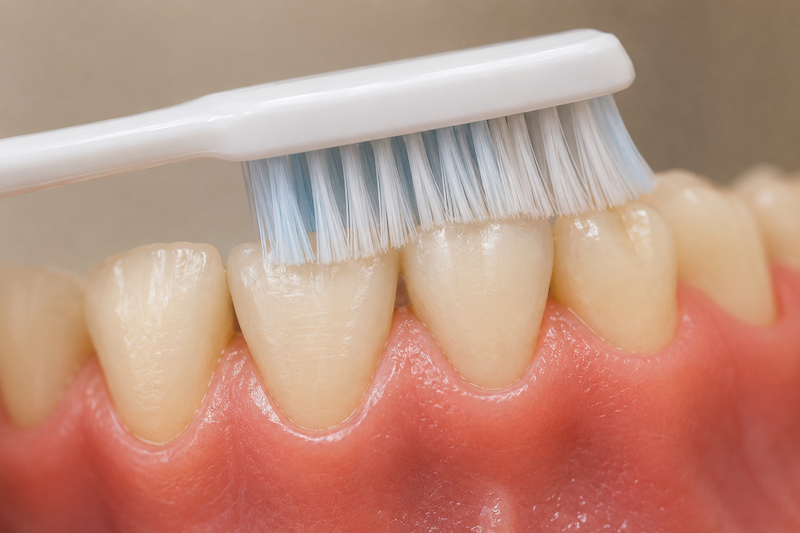
Oral Hygiene Improvement

Addressing Underlying Contributing Factors
Frequently Asked Questions
Have questions about chronic gum inflammation? Here are the most common questions we receive from our patients.
You should see a dentist if your gums bleed regularly, appear swollen or red, feel tender, or if the symptoms have persisted for more than a few weeks. Early assessment and intervention can help prevent more serious problems from developing.
Our Holistic Dentist
Dr Christine Ma is a UK-trained holistic and biological dentist that takes a holistic approach to dentistry.
.png?width=1023&height=1280&name=Dr%20Christine%20Ma%20(1023%20x%201280).png)
Dr Christina Ma
Why Visit Dr Christine Ma
- Holistic and biological dentist with a focus on working with conditions experienced by:
- Pregnant women,
- Children who have material sensitivities,
- Patients with medical conditions or allergies and,
- Patients who have had previous bad dental experiences.
- UK-trained dentist who has worked in the United Kingdom for more than 10 years in both public and private service.
- More than 10 years of experience working with biomimetic and minimally invasive dentistry.
- Works with patients who want to correct their oral health in relation to their physical (systemic health).