Metal and Dental Material Sensitivities
Doctor In-Charge: Dr Christine Ma
Metal and dental materials are commonly used in restorations, such as fillings and crowns, as well as in orthodontic appliances like retainers. While these materials are generally well-tolerated, some individuals with more sensitive reactions may experience persistent oral irritation, inflammation, or discomfort.
However, as the symptoms can develop gradually and may resemble other dental conditions, a dental material sensitivity may not always be the obvious answer. Identifying whether a material sensitivity could be contributing to your symptoms is a key step in improving your comfort and supporting your long-term oral health.
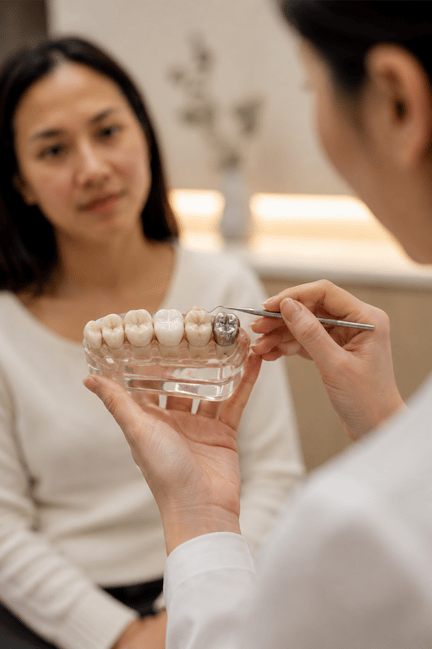
What are Metal and Dental Material Sensitivities?
Metal and Dental Material sensitivities may occur when the body responds negatively to certain materials used during dental treatments. These reactions most commonly affect the soft tissues of the mouth and surrounding gums, causing irritation, discomfort or inflammation. Occasionally, in more sensitive individuals, the symptoms may extend past the mouth and affect other areas of the body.
Identifying whether a dental material is the cause of any pain, discomfort or unexplained symptoms can help guide more appropriate treatment and support long-term health.
Signs & Symptoms
You may be experiencing metal and dental material sensitivity if you notice:
Persistent Irritation Around a Dental Restoration
Burning or Unusual Sensations in the Mouth
Recurring Inflammation of Gums or Oral Tissues
Unexplained Skin or Systemic Symptoms
Concerned About Your Symptoms?
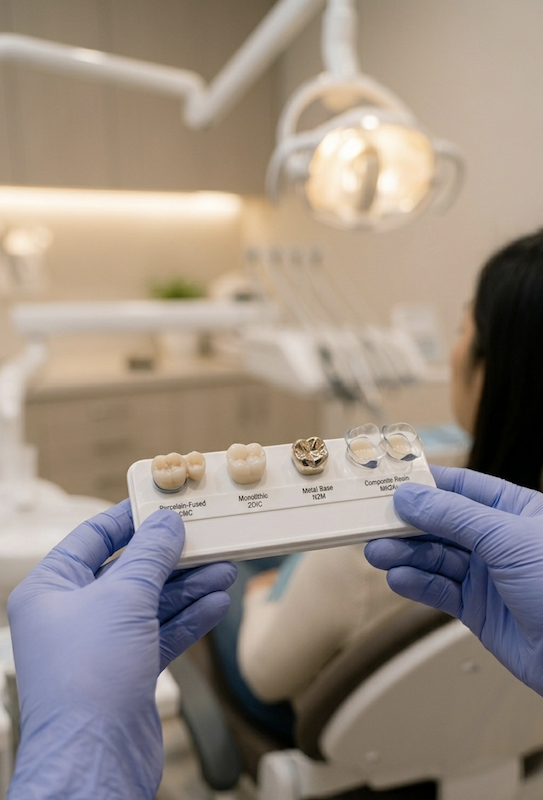
What Causes Metal and Dental Material Sensitivities?
The exact cause of metal and dental material sensitivities varies from patient to patient. When the underlying cause is understood, treatment can be precisely targeted, supporting outcomes that are both effective and lasting.
Some possible causes include:
- Sensitivity to specific metals such as nickel, cobalt, chromium, or other alloy components commonly found in some dental restorations
- Sensitivity to acrylics or dental plastics found in some removable appliances, dentures, retainers, or temporary restorations
- Reactions to dental bonding materials, including adhesives, cements and composite materials
- Patients with a history of allergies, eczema, asthma or multiple chemical sensitivities
- Long-term exposure to various dental materials
Why Metal and Dental Material Sensitivities Should Not Be Ignored
Signs of metal and dental material sensitivities, such as persistent irritation and inflammation, may affect comfort, oral function and overall quality of life. While the symptoms may seem mild at first, ongoing irritation can make daily activities such as eating and speaking uncomfortable. In some cases, chronic inflammation may contribute to the damage of surrounding gums and oral tissues over time.
A comprehensive assessment can help determine if the symptoms are related to dental material sensitivity or other underlying health issues. Early assessment catches potential concerns before they develop into more complex conditions.
How Does kohe™ Dental Assess Metal and Dental Material Sensitivities?
Care That Starts With You
An effective treatment plan begins with understanding the cause of your signs and symptoms. During your consultation at kohe™ Dental, our experienced dental team will conduct a comprehensive assessment of your oral health, existing dental restorations, medical history and any known sensitivities to determine if dental materials may be contributing to your concerns. This enables us to develop a personalised treatment plan that promotes long-term oral and physical health.
Your consultation begins with a discussion with your dentist where you share your concerns, symptoms and overall health. You may be asked about your health history, allergies, previous dental treatments and any known sensitivities.
As a holistic dental practice, kohe™ Dental also considers factors beyond the mouth. Any lifestyle and environmental factors that could contribute to your symptoms will also be evaluated.
Next, your dentist will carefully examine your teeth, gums, existing dental work, and overall health. This allows us to assess the condition of your mouth and identify any signs of infection or inflammation.
Any existing fillings, crowns, implants, dentures, retainers and other dental work are carefully reviewed to determine whether specific material may be contributing to your symptoms.
Dental X-rays or CBCT scans may be recommended to rule out infection, decay, structural problems, or other conditions that can mimic material sensitivities.
After evaluating all possible causes and determining the most likely option, we create a personalised treatment plan designed to address the root cause of the problem. This helps to reduce the likelihood of future relapse.
Treatment Options
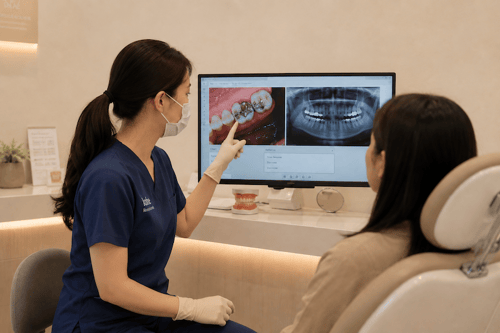
Comprehensive Dental Assessment
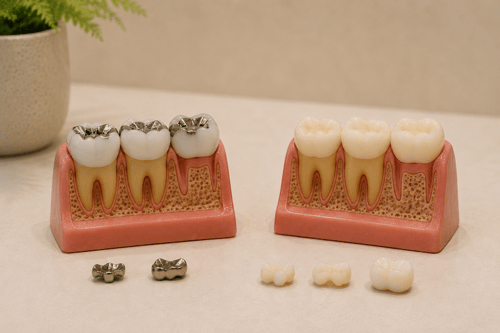
Material Replacement or Restoration Upgrade
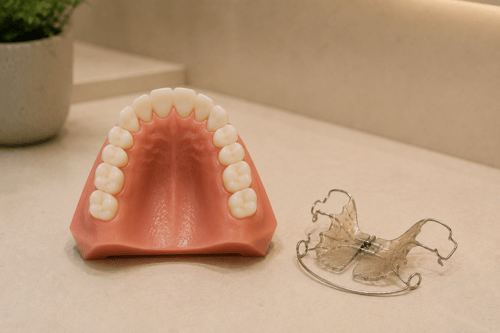
Removal of Problematic Appliances
Holistic Oral Health Support
Frequently Asked Questions
Do you have questions about metal and dental material sensitivity? Here are the most common questions we receive from our patients.
Depending on your clinical needs, alternatives include ceramic restorations, zirconia crowns, composite fillings, metal-free prostheses or other biocompatible materials. Your dentist will discuss the most appropriate options with you based on your oral health and treatment goals.
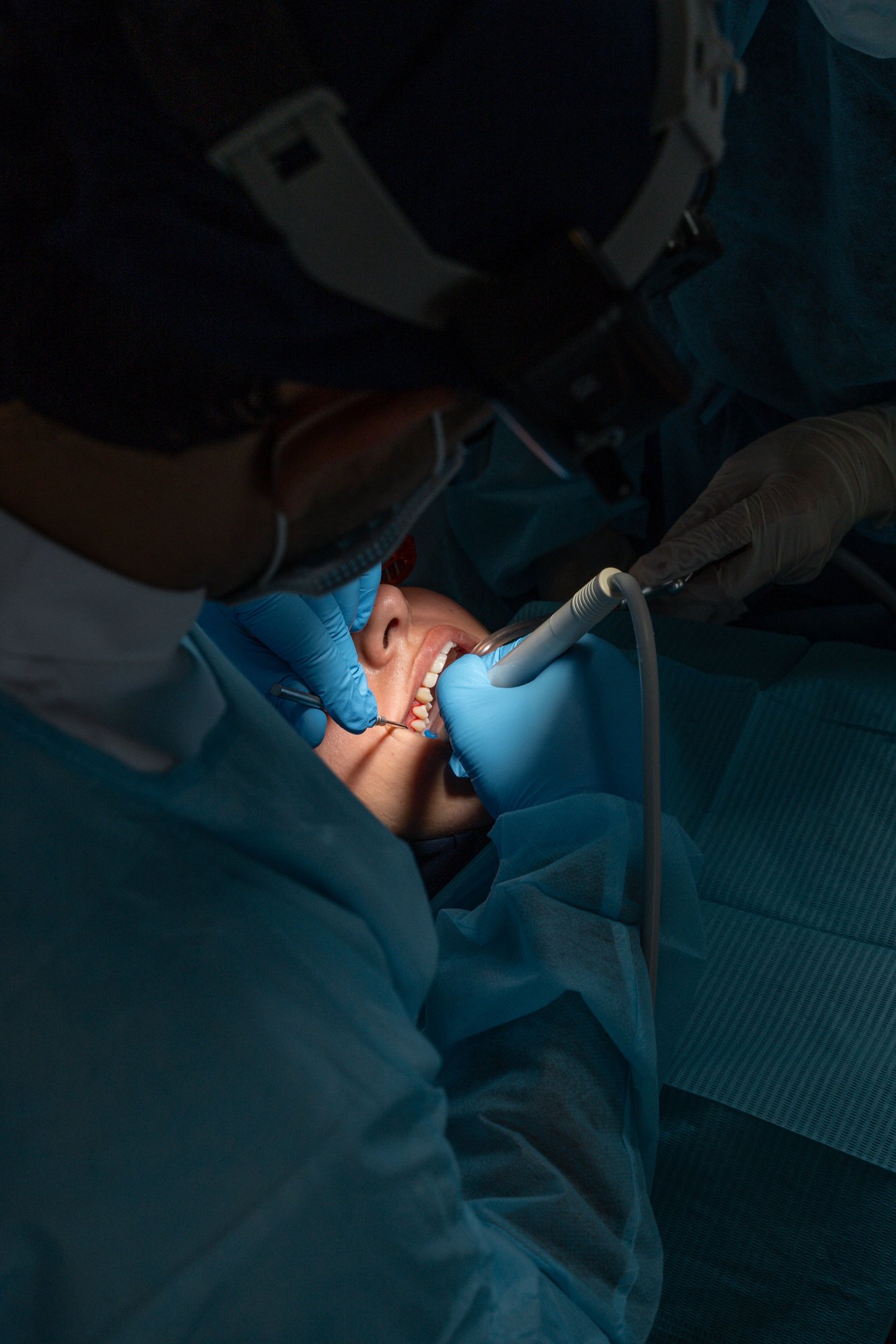
Our Holistic Dentist
Dr Christine Ma is a UK-trained holistic and biological dentist that takes a holistic approach to dentistry.
.png?width=1023&height=1280&name=Dr%20Christine%20Ma%20(1023%20x%201280).png)
Dr Christina Ma
Why Visit Dr Christine Ma
- Holistic and biological dentist with a focus on working with conditions experienced by:
- Pregnant women,
- Children who have material sensitivities,
- Patients with medical conditions or allergies and,
- Patients who have had previous bad dental experiences.
- UK-trained dentist who has worked in the United Kingdom for more than 10 years in both public and private service.
- More than 10 years of experience working with biomimetic and minimally invasive dentistry.
- Works with patients who want to correct their oral health in relation to their physical (systemic health).