Mercury Amalgam Filling Concerns
Doctor In-Charge: Dr Christine Ma
Many patients with mercury amalgam fillings wonder whether their existing restorations are still healthy, functioning well or aligned with their current oral health needs. While many amalgam fillings remain stable for years, others may develop signs of wear or damage over time. Patients may also have concerns over the materials used in their restorations and whether alternative treatment options are available. Identifying and assessing these concerns is an important step in determining whether monitoring, repair, or replacement is appropriate for supporting long-term oral health and well-being.
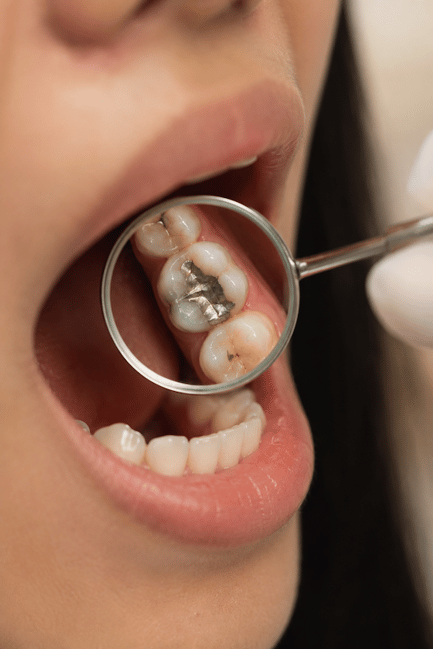
What are Mercury Amalgam Filling Concerns?
Mercury amalgam fillings have been used in dentistry for decades, valued for their strength and durability. They are commonly recognised as silver-coloured fillings made of a combination of metals including silver, tin, copper and mercury. While these fillings are built to stand the test of time, some patients may opt to have them removed due to concerns about their age, condition, appearance or the materials used. Understanding the condition of your existing restoration is an important step in determining the best course of action for your long-term oral health.
Signs that your Mercury Amalgam Filling Needs Assessment
Patients choose to review their mercury amalgam fillings for various reasons. While some fillings function perfectly for years, others may show signs of wear or damage over time. Understanding what impacts the lifespan of an amalgam filling can help you feel more confident about your decision to have it replaced.
Cracks, Chips or Fractures
Sensitivity and Discomfort
Signs of Deterioration
Recurrent Decay and Food Trapping
Have Concerns About Your Existing Fillings?
Book a comprehensive dental assessment to evaluate your mercury amalgam fillings and determine the most appropriate next steps for your oral health.
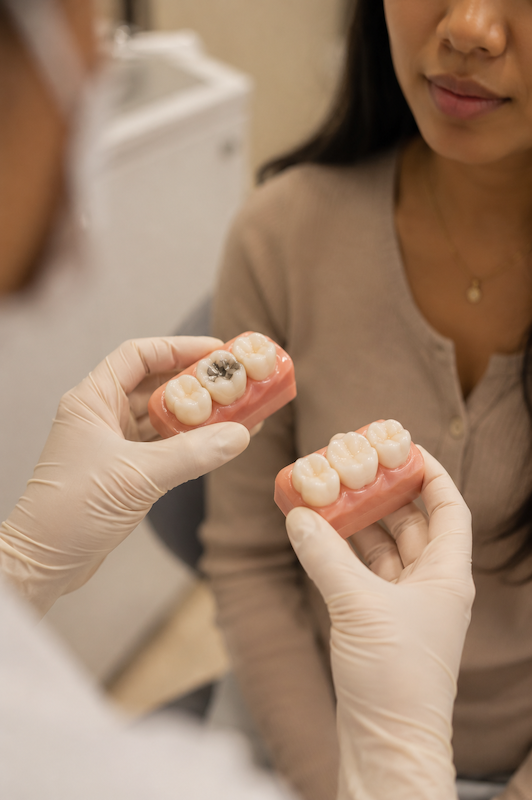
Why Some Patients Choose to Replace Mercury Amalgam Fillings
Patients may choose to replace a mercury amalgam filling for many reasons. Understanding the factors that commonly influence the decision to remove them can help determine whether treatment may be beneficial.
Some possible reasons include:
- Ageing restorations that show visible signs of wear and damage
- New or worsening cracks on the treated tooth
- Recurrent decays that appear beneath or around an old filling
- Sensitivity to the materials that make up an amalgam filling
- Personal preference for a metal-free approach to dental care
Why Mercury Amalgam Filling Concerns Should Not Be Ignored
While not every mercury amalgam filling requires replacement, concerns over existing restorations should not be ignored. Over time, fillings may deteriorate, allowing cracks to develop in the restoration. These cracks may, in turn, cause bacteria to build up within the spaces without any obvious symptoms. What starts as a small problem can develop into more complex issues if not treated early. Regular monitoring is important to ensure that existing restorations continue to function well.
How Does kohe™ Dental Assess Mercury Amalgam Filling Concerns?
Care That Starts With You
An effective treatment plan begins with understanding the symptoms and concerns around your amalgam filling. During your consultation at kohe™ Dental, our experienced dental team will conduct a comprehensive assessment of your oral health, existing medical conditions and lifestyle to determine if a filling replacement will support your long-term oral health.
Your consultation begins with a discussion with your dentist where you share your goals and concerns. Your dentist will also review any previous dental treatments, existing symptoms, relevant medical conditions and lifestyle habits. If you are interested in metal-free alternatives or have a history of dental material sensitivities, this is the ideal time to share that.
Next, your dentist will carefully examine your teeth, gums, existing restorations, and surrounding tissues. This allows us to identify any signs of wear, fractures, leakage around the restoration or decay.
Following that, we evaluate how your teeth come together when biting and chewing to look for signs of clenching, grinding, or excessive bite forces. This helps your dentist determine whether bite forces could be a contributing factor to existing cracks.
Dental X-rays may be recommended for a more detailed assessment of areas within the mouth that cannot be seen during a visual examination. This helps to identify decay, infections, cracks, bone loss, and other underlying concerns.
After gathering all the necessary information, your dentist will determine whether your existing amalgam filling is functioning well, requires monitoring, or would benefit from a replacement. Factors such as the condition of the filling, the amount of healthy tooth left, your symptoms and your personal preferences will be taken into consideration. If replacement is appropriate, your dentist will discuss the available removal and replacement options.
Treatment Options
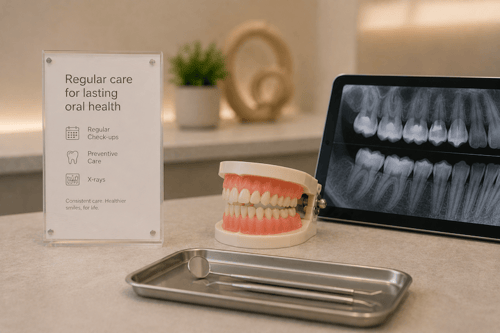
Monitoring and Preventive Care
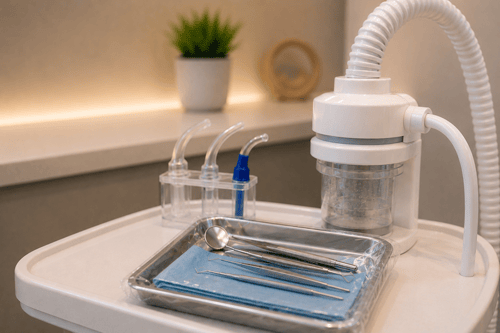
SMART (Safe Mercury Amalgam Removal Technique)
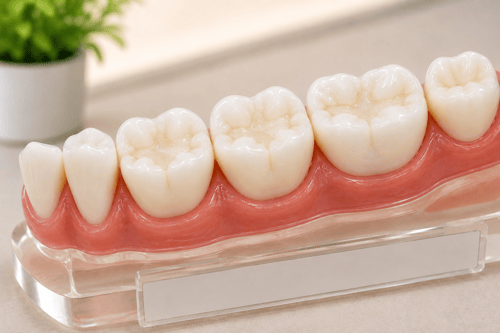
Tooth-Coloured Composite Restorations
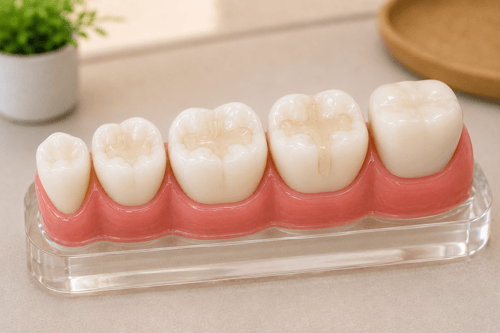
Ceramic or Biomimetic Restorations
Frequently Asked Questions
Have questions about mercury amalgam fillings? Here are the most common questions we receive from our patients.
There are several alternatives to mercury amalgam fillings depending on the size, location and condition of the tooth. Common options include tooth-coloured composite fillings, ceramic inlays and onlays, and ceramic crowns. Each material has its own advantages, and suitability will depend on your clinical and personal needs.
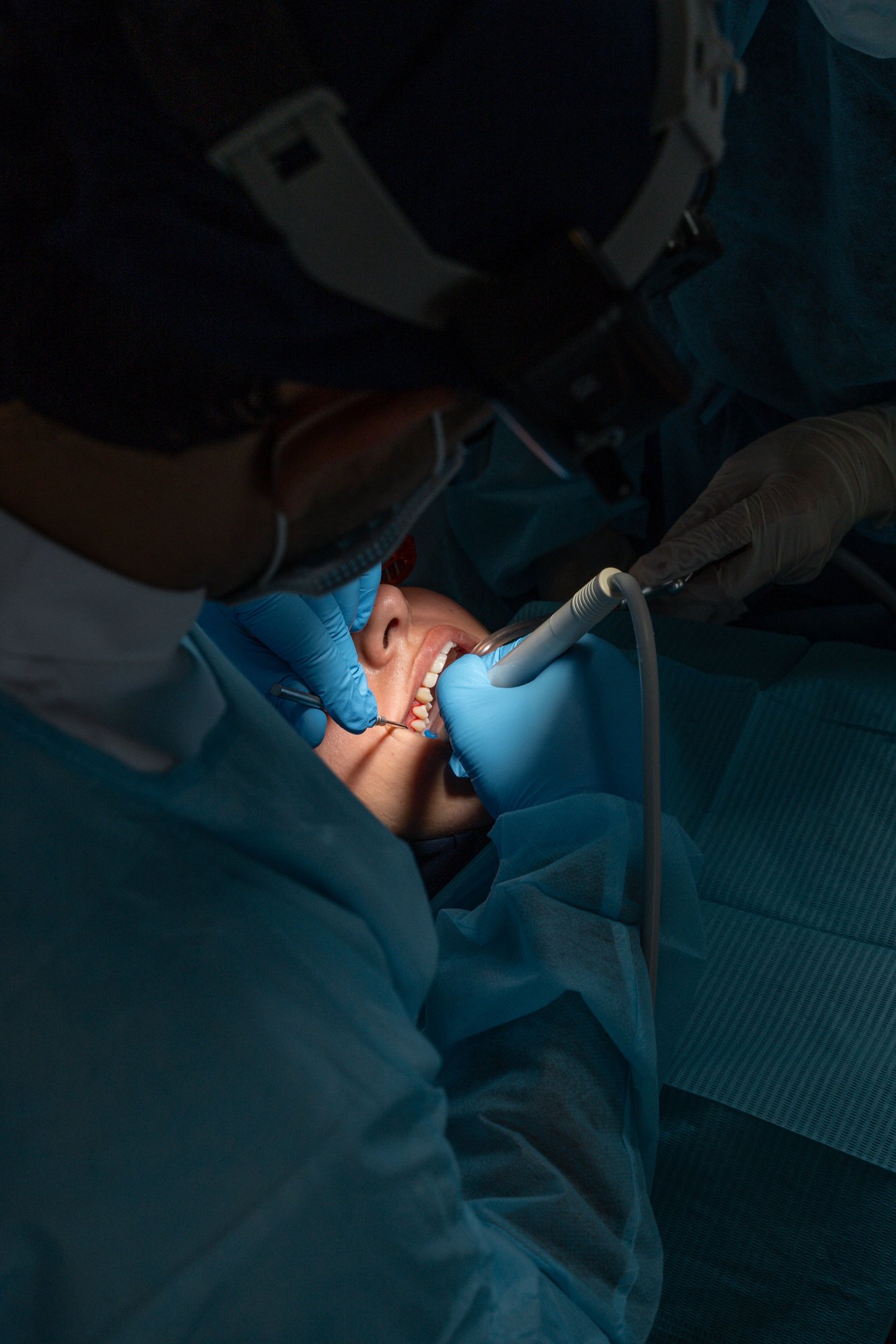
Our Holistic Dentist
Dr Christine Ma is a UK-trained holistic and biological dentist that takes a holistic approach to dentistry.
.png?width=1023&height=1280&name=Dr%20Christine%20Ma%20(1023%20x%201280).png)
Dr Christina Ma
Why Visit Dr Christine Ma
- Holistic and biological dentist with a focus on working with conditions experienced by:
- Pregnant women,
- Children who have material sensitivities,
- Patients with medical conditions or allergies and,
- Patients who have had previous bad dental experiences.
- UK-trained dentist who has worked in the United Kingdom for more than 10 years in both public and private service.
- More than 10 years of experience working with biomimetic and minimally invasive dentistry.
- Works with patients who want to correct their oral health in relation to their physical (systemic health).