


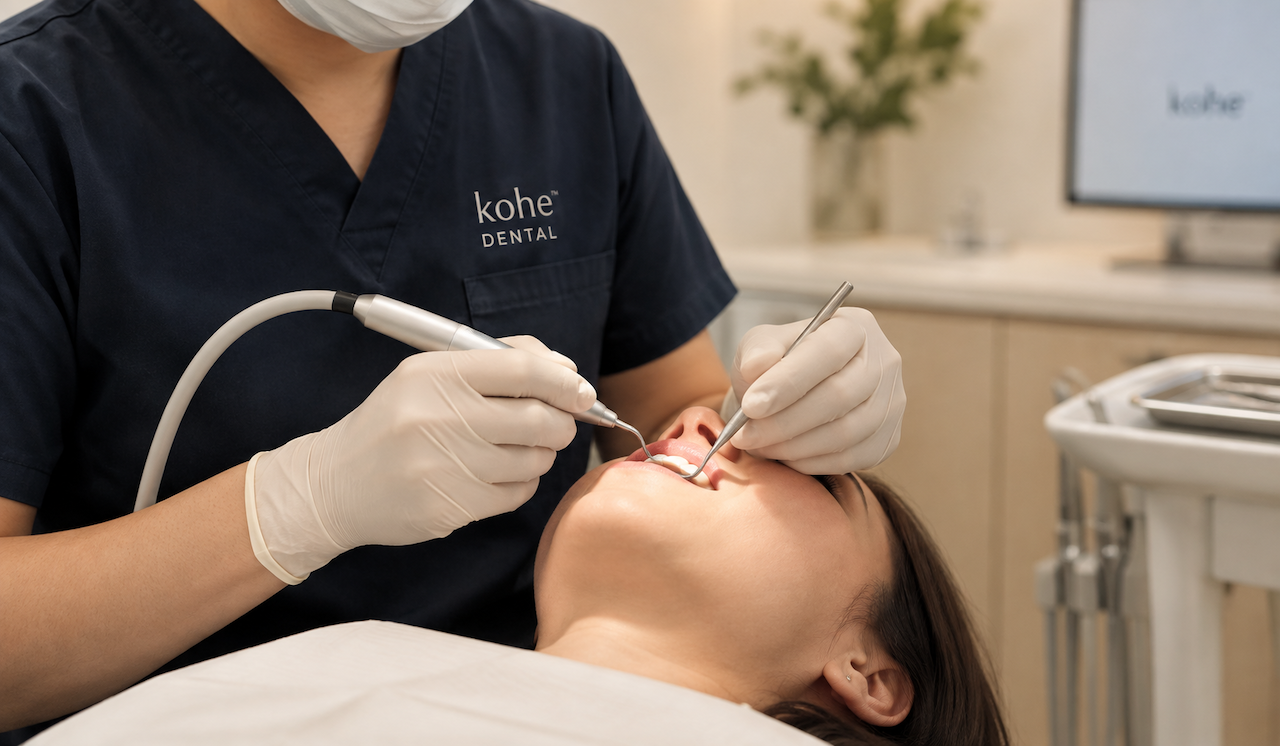
If you have been diagnosed with gum disease, you might be wondering what treatment involves and whether there is anything more that can be done alongside a conventional dental cleaning. Ozone therapy debridement combines thorough professional cleaning with ozone therapy as an additional antimicrobial step to support your gum health management.
In this guide, we walk you through the complete ozone therapy debridement journey, from your initial consultation and gum examination to the treatment itself, aftercare and follow-up, so that you know exactly what to expect at every stage.
Before Your Appointment
Preparing for your ozone therapy debridement consultation is an important step in ensuring that your appointment runs smoothly and that you make the most of your time with the dentist. While no extensive preparation is required, bringing the key information allows your dentist to better understand your health and provide more personalised recommendations.
Before your appointment, we suggest the following:
- Continue brushing and flossing normally.
- Bring along any previous dental records or X-rays that you might have. This allows your dentist to review your oral health history and avoid unnecessary repeat investigations.
- Prepare a list of current medications and/or supplements you are taking.
- Think about your symptoms and concerns. For example:
- Bleeding gums
- Swollen or tender gums
- Persistent bad breath
- Gum recession
- Loose teeth
- Sensitivity
- Discomfort when chewing or brushing
- Take note of how long these symptoms have been present and whether they have worsened.
- Inform your dentist of any previous gum treatments or professional cleaning.
- Write down any questions you might have so that you can direct them to your dentist during the consultation.
- Arrive a few minutes early. This allows you to settle in before your appointment and fill in the necessary registration forms without rushing.
Consultation
Once you are comfortably settled, your holistic consultation begins with a conversation, not a clinical examination. Your dentist takes the time to get to know you, understand your symptoms and concerns and learn more about your overall health. This may include questions such as how frequently your gums bleed, whether you experience sensitivity or pain, and when you last had a professional cleaning.
Your dentist may also review your medical history, including any previous gum treatment. If you have any questions or concerns about the treatment, this would be the best time to bring them up.
Importantly, not every patient requires the same type or extent of periodontal treatment. A good dentist should customise their recommendations based on each patient’s unique needs, symptoms and oral health goals.
Comprehensive Gum Examination
Following your consultation, your dentist will conduct an in-depth oral examination to assess the extent of your periodontal issues.
Clinical Examination
Your dentist will carefully assess your teeth, gums and supporting tissues to gain a better understanding of your current gum health.
During the examination, your dentist may look for:
- Plaque accumulation around the teeth and gumline
- Hardened tartar/calculus deposits
- Redness, swelling or inflammation of the gums
- Bleeding around the gums
- Gum recession
- Areas where plaque is particularly difficult for you to clean
- Loose teeth or changes in tooth stability in more advanced cases
- Existing dental restorations or other factors that may make cleaning difficult
Periodontal Measurements
Next, your dentist will measure the spaces between the teeth and gums using a periodontal probe. Healthy gums generally fit closely around the teeth. However, when gum disease is present, these spaces can become deeper and form periodontal pockets, where plaque and bacteria accumulate and are difficult to clean with regular brushing and flossing.
During your assessment, your dentist will measure the depth of these pockets and look out for other signs of gum disease, such as bleeding or gum recession. These measurements help your dentist to understand your gums and determine the extent of treatment required.
Dental X-Rays (If Necessary)
In some cases, your dentist may conduct a dental X-ray to assess the structures that cannot be fully evaluated visually. For patients with gum disease, a dental X-ray can help your dentist assess the bone supporting the teeth and identify any potential bone loss.
Understanding Your Diagnosis and Treatment Plan
Once your assessment is complete, your dentist will determine the extent of treatment required and discuss your treatment options with you. The type of treatment required depends on the amount of plaque and tartar present, the level of gum inflammation and whether deeper periodontal pockets have developed.
For patients with relatively healthy gums, a routine scaling and polishing may be sufficient to remove plaque and tartar from around the teeth and gumline. However, patients with advanced gum disease may require scaling and root planing, which offers a more thorough cleaning below the gumline.
Where appropriate, ozone therapy may be recommended in conjunction with cleaning to eliminate bacteria that are deeper within the gum pockets and cannot be reached with conventional cleaning instruments.
Ozone Therapy Debridement Process
If ozone therapy is an appropriate treatment option and you wish to proceed, your dentist can proceed on the spot.
Preparing You for Treatment
Before the treatment begins, the dental team ensure that you feel comfortable and ready in the dental chair. Depending on the extent of your treatment, local anaesthesia may be administered to keep you comfortable.
Patients with more extensive gum disease may require multiple appointments targeting different areas of the mouth each time.
Removing Plaque and Tartar
The first step of treatment is to clean the area around your teeth and gums. Your dentist will carefully remove the buildup of plaque and tartar using specialised dental equipment.
If deeper periodontal pockets are present, cleaning will extend below the gumline. This is an important part of the treatment as removing these deposits helps to create a cleaner environment around your teeth and gums.
Applying Ozone Therapy
Once the area has been thoroughly cleaned, ozone therapy may be used as an additional step in your treatment. Ozone has antimicrobial properties and is used to reduce the microbial load within the treated areas. If you have deeper gum pockets, ozone may also be used to provide an additional microbial step following the cleaning.
It is important to understand that ozone therapy is not a standalone treatment. Instead, it is used together with conventional cleaning to provide an additional antimicrobial step and support your overall gum treatment.
Completing the Treatment
After your treatment is complete, your dentist will check your teeth and gums and walk you through what to expect over the next few days. Your dentist will also teach you how to take care of your teeth and gums at home, including pointing out areas that require closer attention during cleaning.
Depending on the severity of your condition, you may be recommended to return for additional treatment or a follow-up appointment to monitor your gum health.
After Your Treatment
Immediately after your cleaning and ozone therapy, you may notice some of the following side effects:
- Mild gum tenderness
- Slight bleeding
- Temporary tooth or gum sensitivity
- Numbness that remains for a few hours if local anaesthesia was applied
Following a few simple aftercare steps can help keep you comfortable and support your gums as they recover:
- If local anaesthesia was used, wait for the numbness to wear off before eating to avoid accidentally biting the cheek, lip or tongue.
- Follow your dentist’s oral hygiene instructions.
- Continue cleaning the teeth carefully instead of avoiding the gums completely.
- Contact the clinic if you experience:
- Significant or worsening pain
- Persistent swelling
- Unexpected symptoms
Looking After Your Gums at Home
Professional gum treatment is only one part of maintaining healthy gums. While cleaning and ozone therapy provide an in-depth cleaning of your teeth and gums, good oral hygiene habits are still necessary to ensure the longevity of the results.
Some important tips include:
- Brush twice daily using a soft-bristled toothbrush and fluoride toothpaste
- Floss daily to remove plaque and food debris
- Pay particular attention to the areas where plaque tends to accumulate
- Attend regular dental check-ups
- Attend regular professional dental cleanings as recommended by your dental team
- Attend periodontal reviews if diagnosed with gum disease
- Avoid smoking because it can negatively affect your healing
- If specific oral hygiene products have been recommended, use them as prescribed by your dentist
Your Follow-Up and Long-Term Gum Health
Your gum health journey does not end when your treatment is complete. Depending on the severity of your condition, your dentist may recommend follow-up appointments to monitor your progress. If you have gum disease, regular periodontal maintenance may also be recommended to help keep plaque and tartar under control and maintain your oral health in the long-run.
At kohe™ Dental, we take a personalised approach to gum health and recommend treatment based on the condition of your teeth and gums. If you are experiencing bleeding, swollen or receding gums, book a holistic consultation with our team to better understand your gum health and explore the treatment options that may be suitable for you.