Failed Dental Crowns, Bridges, Or Prostheses
Doctor In-Charge: Dr Christine Ma
Many people assume that a loose crown, a broken bridge, or an uncomfortable prosthesis simply needs to be replaced. However, restoration failure is often a symptom rather than the problem itself. Issues such as decay, gum disease, excessive bite forces or damage to the supporting tooth can all contribute to a restoration losing its intended function. At kohe™ Dental, we look beyond the surface to identify the underlying cause of the issue and provide targeted treatment that ensures the future longevity of your restoration.
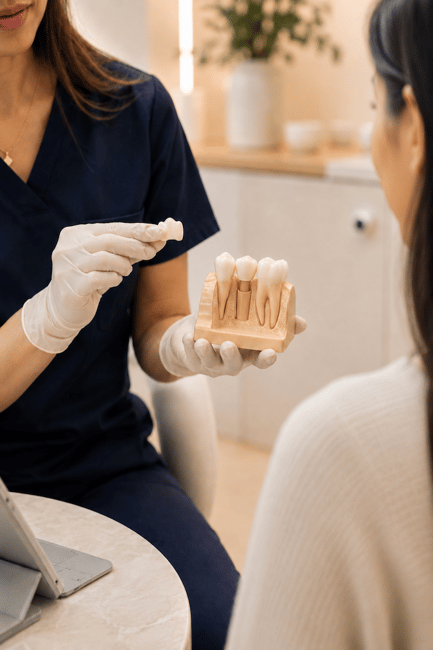
What are Failed Dental Crowns, Bridges or Prostheses?
A crown, bridge or prosthesis is considered to have failed when it no longer functions as intended or begins to affect the surrounding support structures. Failure may occur suddenly in the form of fractures or looseness, or gradually as a result of decay or gum disease. In many cases, the restoration itself is not the problem. Instead, there are underlying issues that require attention. Identifying the primary cause of failure allows for a more targeted treatment approach and helps improve the likelihood of a successful long-term outcome.
Signs & Symptoms
Your dental crown, bridge or prostheses may be failing if you experience any of the following symptoms:
Loose Movement
Pain or Sensitivity
Visible Damage
Gum Problems
Concerned About Your Symptoms?
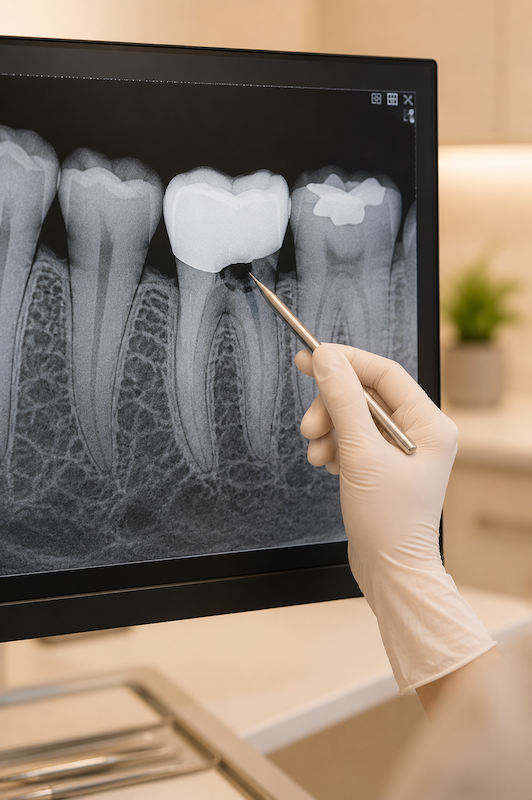
What Causes Failed Dental Crowns, Bridges or Prostheses?
Dental crowns, bridges or prostheses are designed to be durable and long-lasting. However, they can develop problems over the years. Often, the restoration is not the source of the problem. Instead, failure usually occurs because of other underlying issues affecting the tooth, gum or surrounding tissues. Identifying the root cause of the failure helps guide treatment towards the underlying problem, improving the likelihood of lasting results.
Some possible causes include:
- Recurrent decays that develop when bacteria enter the gaps that develop around the edges of the restorations over time
- Bite imbalances and excessive forces that place excessive stress on restorations, causing them to loosen, fracture or wear prematurely
- Gum disease and bone loss that weaken the supporting structures around teeth, reducing their ability to support restorations
- Fractures in the underlying tooth that can develop beneath an existing restoration, compromising its stability and function
- Natural ageing and material wear that occur over time from daily use
Why Failed Dental Crowns, Bridges or Prostheses Should Not Be Ignored
Problems that occur with dental crowns, bridges or prostheses are often minor at first. However, over time, they tend to develop into more complex issues such as decay, infections and tooth loss. Early intervention often helps you preserve your oral health and reduces the need for complex and costly treatments in the future.
How Does kohe™ Dental Assess Failed Dental Crowns, Bridges or Prostheses?
Care That Starts With You
An effective treatment plan begins with understanding why your crown, bridge or prosthesis has failed. During your consultation at kohe™ Dental, our experienced dental team will conduct a comprehensive assessment of your oral health, existing medical conditions and lifestyle to determine the root cause of the problem. This helps us create a targeted treatment plan that supports long-term oral health and helps reduce the risk of complications.
Your consultation begins with a discussion with your dentist where you share your concerns, symptoms and overall health. You may be asked about your treatment history, when you first noticed the symptoms, how often they occur and whether they have worsened over time.
As a holistic dental practice, kohe™ Dental also considers factors beyond the mouth. Your medical history, lifestyle habits and overall oral health are reviewed to identify any potential contributing factors that may affect treatment outcomes and long-term stability.
Next, your dentist will carefully examine the condition of the restoration, the supporting tooth and the surrounding oral structures. This helps us identify visible signs of damage, instability, wear or infection that may be contributing to the problem.
Dental X-rays may be recommended for a more detailed assessment of areas within the mouth that cannot be seen during a visual examination. This includes recurrent decay beneath the restoration, infection around the tooth root or loss of supporting bone.
The way your teeth come together when you bite has a significant impact on the longevity of your restorations. By evaluating your bite, we can determine if excessive forces, uneven pressure, grinding or clenching habits may be contributing to the failure of the restoration.
Healthy gums and supporting bone are essential for maintaining stable teeth and restorations. We assess the health of these supporting structures to determine any signs of gum disease, inflammation or bone loss.
Treatment Options
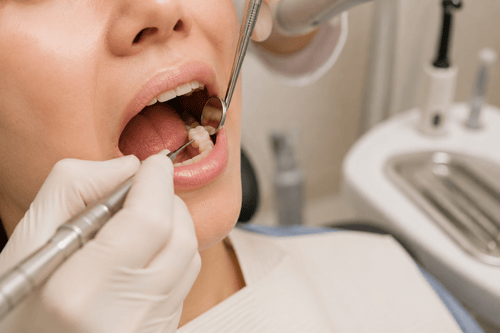
Repair the Existing Restoration
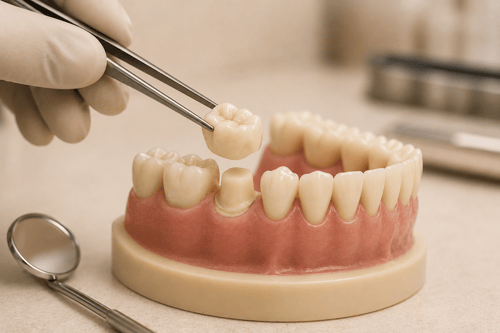
Recementation or Stabilisation
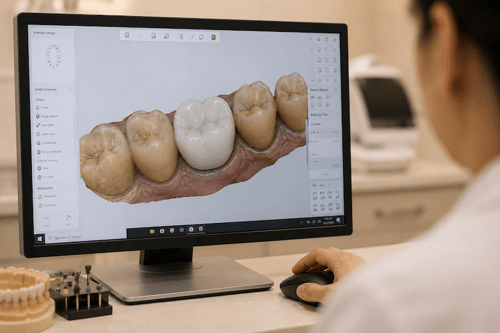
Replacement of Restoration
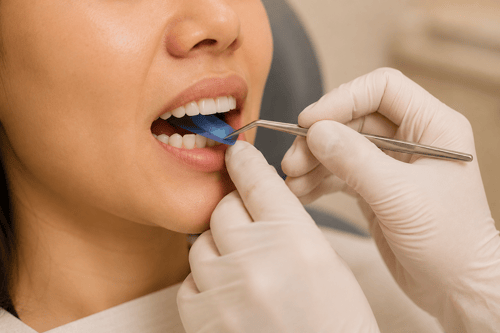
Treatment of Underlying Cause
Frequently Asked Questions
Have questions about failed dental crowns, bridges or prostheses? Here are the most common questions we receive from our patients.
The lifespan of a dental restoration depends on the material used, oral hygiene, bite forces and overall health. In general, with proper care, many restorations can last up to 10 years or longer.
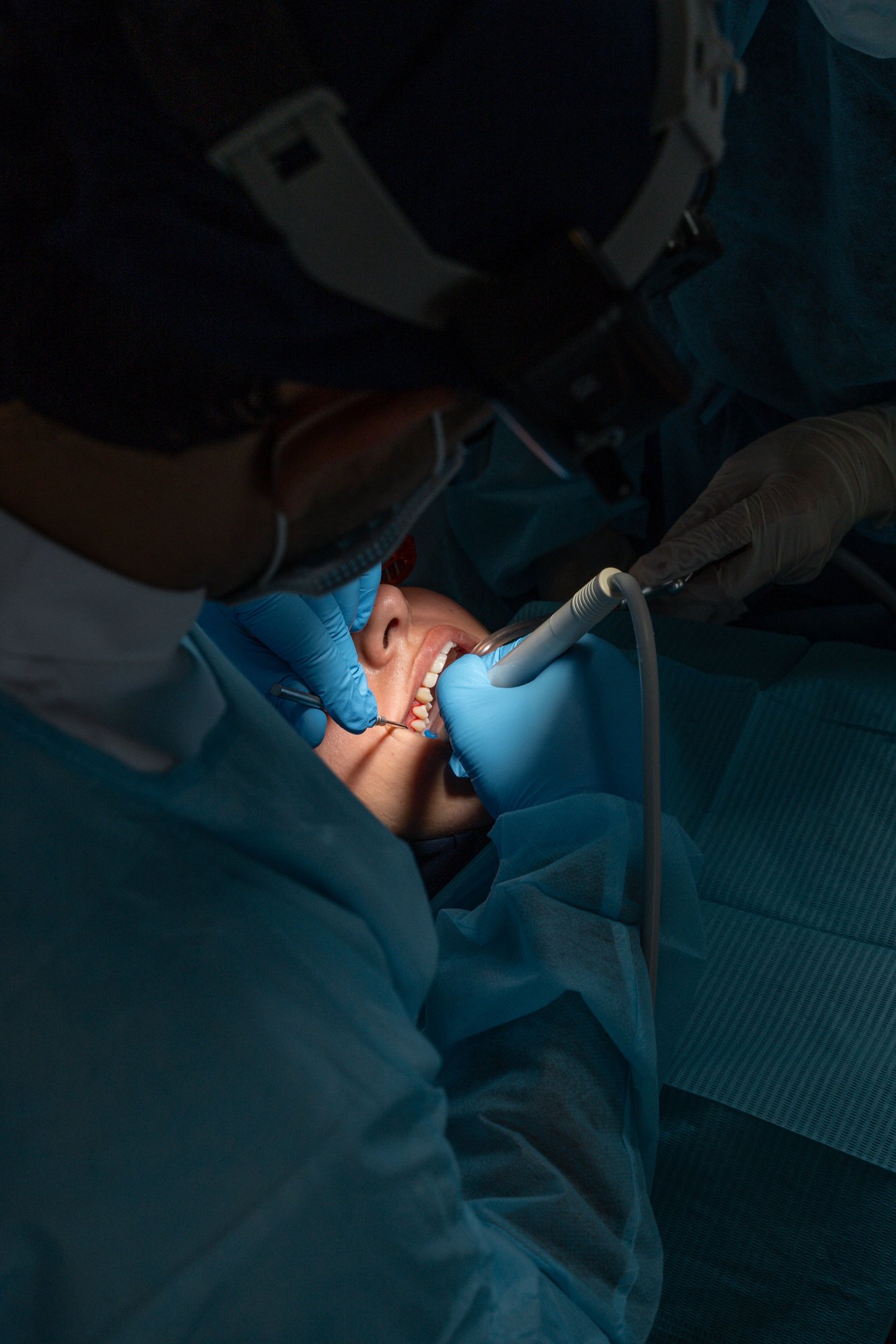
Our Holistic Dentist
Dr Christine Ma is a UK-trained holistic and biological dentist that takes a holistic approach to dentistry.
.png?width=1023&height=1280&name=Dr%20Christine%20Ma%20(1023%20x%201280).png)
Dr Christina Ma
Why Visit Dr Christine Ma
- Holistic and biological dentist with a focus on working with conditions experienced by:
- Pregnant women,
- Children who have material sensitivities,
- Patients with medical conditions or allergies and,
- Patients who have had previous bad dental experiences.
- UK-trained dentist who has worked in the United Kingdom for more than 10 years in both public and private service.
- More than 10 years of experience working with biomimetic and minimally invasive dentistry.
- Works with patients who want to correct their oral health in relation to their physical (systemic health).