Bone Loss and Gum Recession
Doctor In-Charge: Dr Christine Ma
Bone loss and gum recession are common dental concerns that can affect both the health and appearance of your smile. As these conditions develop gradually over time, the symptoms are often overlooked in the early stages. Many patients only realise that there is a problem when they notice tooth sensitivity, receding gums or loose teeth. When left untreated, bone loss and gum recession can progress, compromising the stability of your teeth. Recognising the signs and causes of bone loss and gum recession early gives you the best chance of protecting your natural teeth.
What are Bone Loss and Gum Recession?
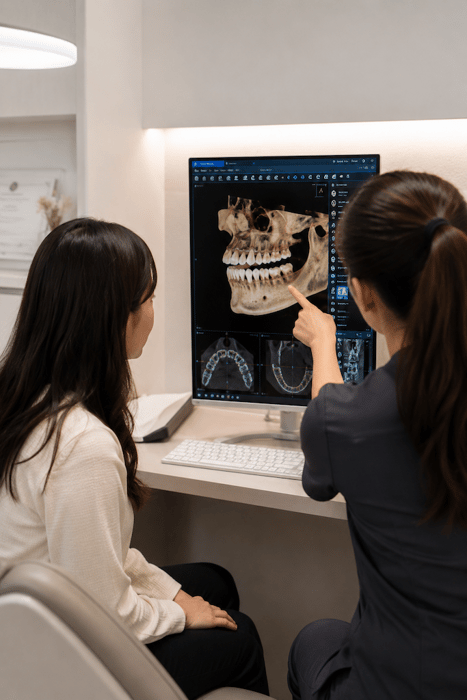
Bone loss and gum recession are conditions that affect the supporting structures of your teeth. Bone loss occurs when the jawbone supporting the teeth deteriorates over time, while gum recession occurs when the gum tissue gradually separates from the tooth. While they are two separate conditions, they often occur together and may indicate underlying issues such as gum disease. As the bones and gums recede, the teeth become more sensitive and vulnerable to complications. Early intervention is a key step in slowing progression and preserving as much natural tooth as possible.
Signs and Symptoms
If you experience any of the following symptoms, it could suggest an underlying problem that requires professional assessment.
Teeth Appearing Longer
Tooth Sensitivity
Loose or Shifting Teeth
Changes in Gum Appearance
Concerned About Your Symptoms?
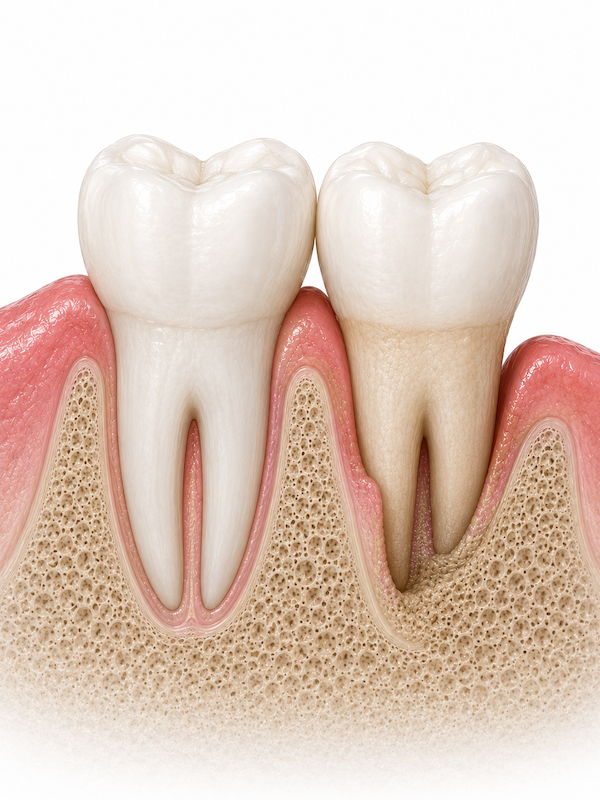
What Causes Bone Loss and Gum Recession?
Bone loss and gum recession are often caused by a combination of factors rather than a single issue. Identifying the root cause of the problem helps dentists to create targeted treatments that provide long-term, sustainable outcomes.
Some possible causes include:
- Gum disease
- Excessive brushing forces that cause repeated friction along the gum line, causing it to recede over time
- Teeth grinding, clenching and bite imbalances that place unnecessary stress on the teeth
- Naturally thin gum and bone anatomy
- Lifestyle factors such as smoking, chronic stress, poor sleep and poor nutrition
Why Bone Loss and Gum Recession Should Not Be Ignored
Bone loss and gum recession are progressive conditions that do not improve unless the underlying cause is addressed. When left untreated, these conditions result in progressive loss of gum and bone support, increased tooth sensitivity and a higher risk of root decay. Over time, the loss of support structures can also affect the appearance of your smile and the stability of your teeth, increasing the risk of future tooth loss. If you are experiencing signs of bone loss and gum recession, early intervention provides the best chance of preserving your natural teeth and maintaining your long-term oral health.
How Does kohe™ Dental Assess Bone Loss and Gum Recession?
Care That Starts With You
An effective treatment plan begins with understanding the root cause of your bone loss or gum recession. During your consultation at kohe™ Dental, our experienced dental team will conduct a comprehensive assessment of your oral health, existing medical conditions and lifestyle to determine the underlying cause. This enables us to create a targeted treatment plan that supports long-term oral health and prevents further progression.
Your consultation begins with a discussion with your dentist where you share your symptoms, concerns and oral health history. Your dentist may ask when you first noticed the recession, whether you experience tooth sensitivity and if the condition seems to be deteriorating over time. Previous dental treatments, existing restorations and relevant medical conditions will also be reviewed to provide a clear picture of your overall dental health.
As a holistic dental practice, kohe™ Dental also considers factors beyond the mouth. Your lifestyle habits, stress levels and oral hygiene routines are also reviewed to identify any potential contributing factors that may go unnoticed.
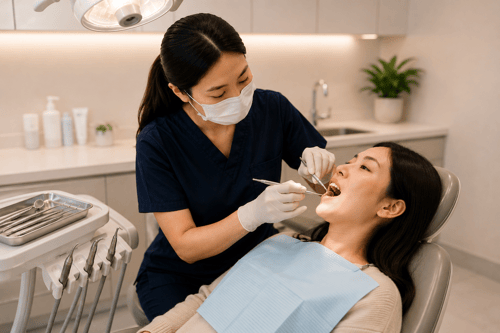
Next, your dentist will carefully examine your teeth, gums, and surrounding tissues. This includes assessing the extent of the gum recession and checking for signs of inflammation, infection or gum disease. Measurements may also be taken around the teeth to evaluate the health of your gums and identify where supporting structures have been affected. This step is essential in determining the severity of the condition.
Following that, we evaluate how your teeth come together when biting and chewing to look for signs of clenching, grinding, or excessive bite forces. This is an important part of treatment planning, as addressing these factors helps to reduce any ongoing stress on the teeth.
Dental X-rays may be recommended for a more detailed assessment of areas within the mouth that cannot be seen during a visual examination. This helps to identify bone loss, hidden infections, gum disease and other underlying conditions.
In certain cases, a CBCT scan may be recommended for a three-dimensional view of the teeth, gums and supporting structures.
After evaluating all possible causes and determining the most likely option, we create a personalised treatment plan designed to address the root cause of the problem. This helps to reduce the likelihood of future relapses. Our recommendations may include preventive, restorative, periodontal, bite-related, or lifestyle-based interventions.
Treatment Options
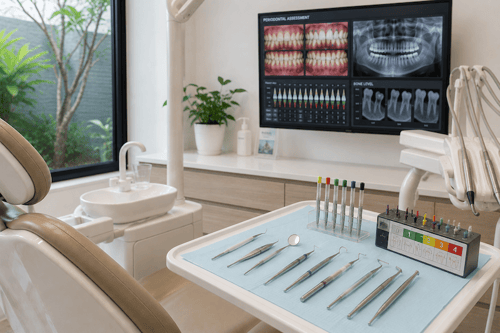
Comprehensive Periodontal Assessment and Monitoring
Gum Disease Therapy
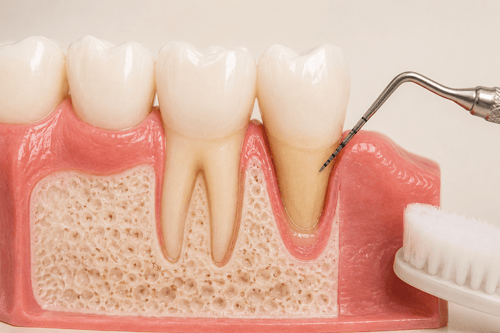
Gum Recession Management
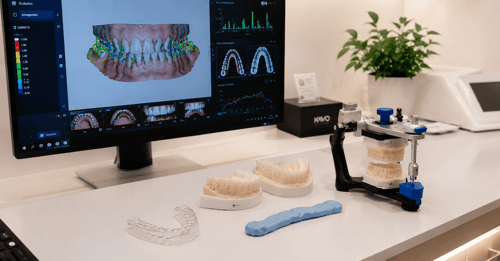
Bite and Lifestyle Management
Frequently Asked Questions
Have questions about bone loss and gum recession? Here are the most common questions we receive from our patients.
Yes, teeth grinding places excessive force on the teeth and surrounding structures. Over time, these forces may contribute to gum recession, bone loss and tooth wear, especially when combined with other risk factors such as gum disease. Identifying and managing grinding or clenching habits can help to prevent further damage and maintain long-term oral health.
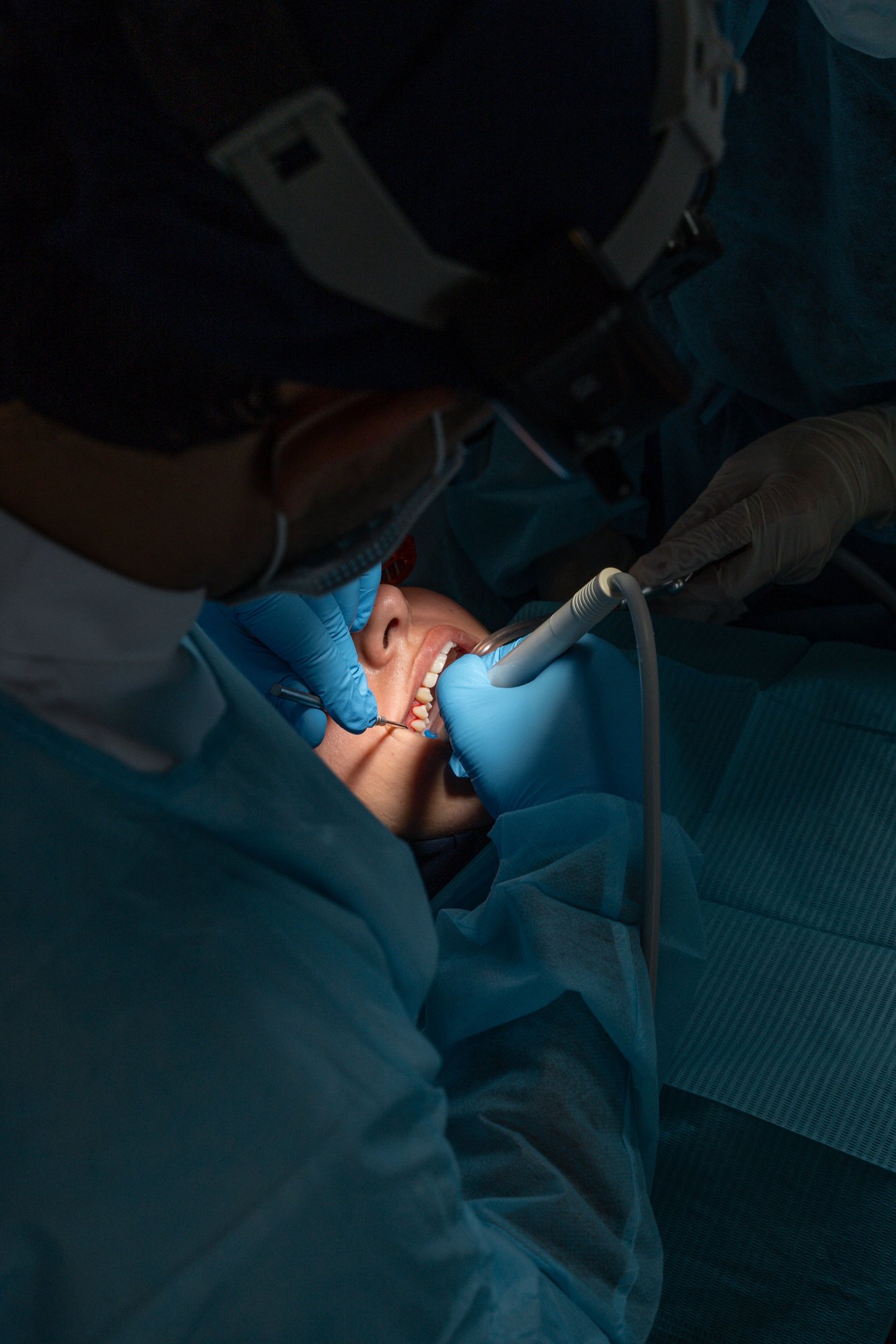
Our Holistic Dentist
Dr Christine Ma is a UK-trained holistic and biological dentist that takes a holistic approach to dentistry.
.png?width=1023&height=1280&name=Dr%20Christine%20Ma%20(1023%20x%201280).png)
Dr Christina Ma
Why Visit Dr Christine Ma
- Holistic and biological dentist with a focus on working with conditions experienced by:
- Pregnant women,
- Children who have material sensitivities,
- Patients with medical conditions or allergies and,
- Patients who have had previous bad dental experiences.
- UK-trained dentist who has worked in the United Kingdom for more than 10 years in both public and private service.
- More than 10 years of experience working with biomimetic and minimally invasive dentistry.
- Works with patients who want to correct their oral health in relation to their physical (systemic health).