Airway, Sleep and Mouth Breathing Concerns
Doctor In-Charge: Dr Christine Ma
Airway and mouth breathing concerns can affect far more than just your sleep. If you frequently breathe through your mouth, snore or wake up feeling exhausted despite getting enough sleep, it might be a sign of disrupted sleep. If left untreated, these concerns may also lead to other oral health issues such as dry mouth, persistent bad breath, increased tooth decays or gum disease. Identifying the leading cause of your airway and breathing issues allows for personalised treatment that will help you sleep, breathe and function better.
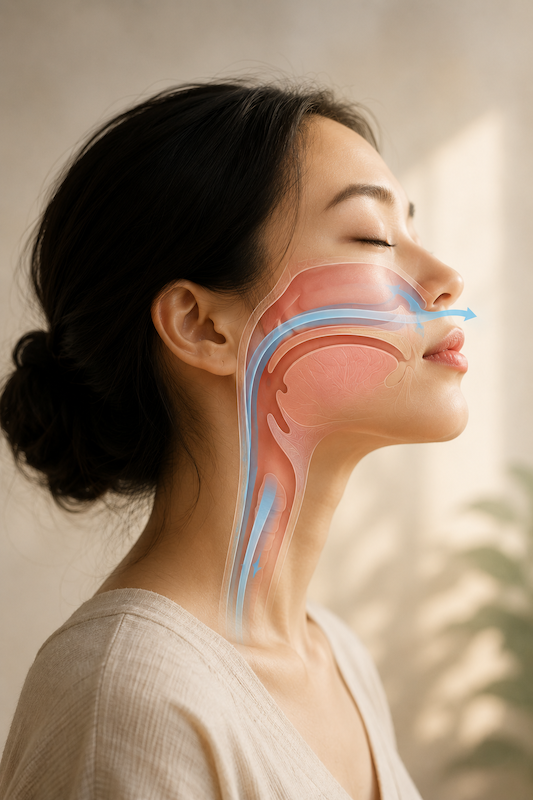
What are Airway, Sleep and Mouth Breathing Concerns?
The airway is the passage that allows air to travel from the nose and the mouth into the lungs. A healthy airway is unobstructed, and breathing through the nose should feel comfortable and natural during waking and sleeping hours. Nasal breathing filters, warms, and humidifies incoming air while supporting healthy oral tissues and better sleep.
Mouth breathing may occur either temporarily, due to a blocked nose, or persistently when it becomes a long-term habit. Breathing through the mouth may affect both oral and overall health as it contributes to dry mouth, bad breath and an increased risk of tooth decay.
Airway, sleep and mouth breathing are closely connected. When the airway is blocked, people are more likely to breathe through their nose, especially during sleep. In some cases, a disrupted airway can affect normal sleep patterns, leading to poor sleep quality and fatigue.
As these factors often influence one another, identifying the underlying cause is an important step towards improving your sleep and oral health.
Signs & Symptoms
If you experience any of the following symptoms, it could suggest an underlying problem that requires professional assessment.
Mouth Breathing
Poor Quality Sleep
Dry Mouth and Oral Health Problems
Day Time Fatigue and Jaw Discomfort
Concerned About Your Symptoms?
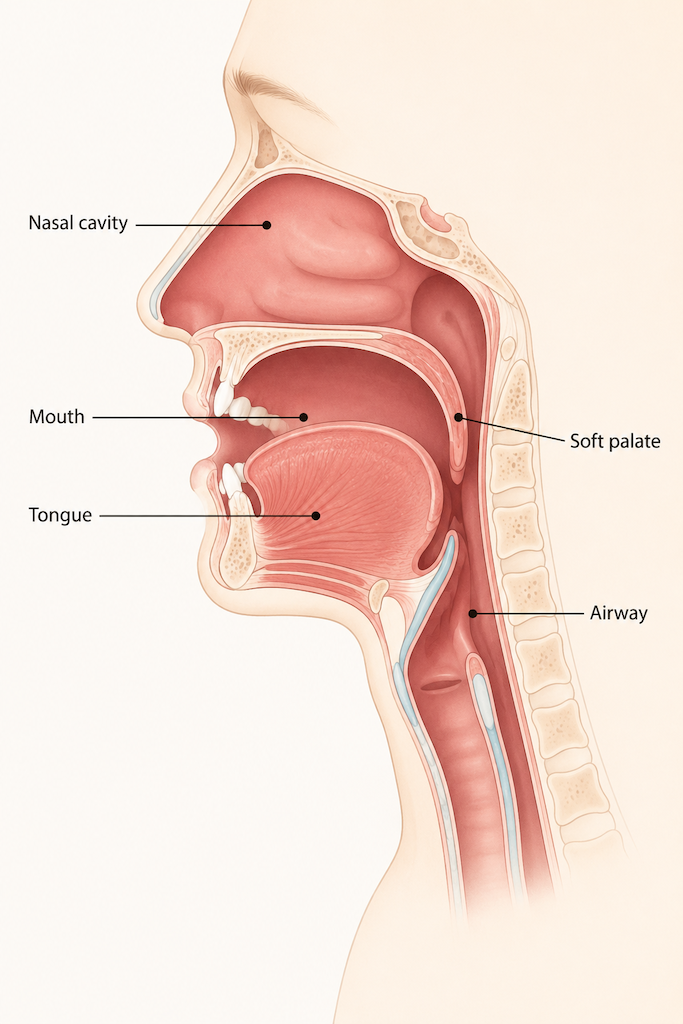
What Causes Airway, Sleep and Mouth Breathing Concerns?
Airway, sleep and mouth breathing concerns are often caused by a combination of factors rather than a single issue. Identifying the root cause of the problem helps dentists to create targeted treatments that provide long-term, sustainable outcomes.
Possible causes include:
- Blocked nasal breathing caused by allergies, chronic congestion, deviated septum or enlarged turbinates
- Narrow jaws or limited airway space caused by a small upper jaw, narrow dental arches or crowded teeth
- Enlarged soft tissues such as tonsils, adenoids or tongue
- Partial or fully blocked airway during sleep
- Lifestyle and health factors such as body weight, smoking and stress
Why Airway, Sleep and Mouth Breathing Concerns Should Not Be Ignored
Airway, sleep and mouth breathing concerns affect more than just the way you breathe. When left untreated, they may cause poor-quality sleep, fatigue and difficulty concentrating. A disrupted airway may cause teeth grinding and clenching, while mouth breathing can lead to oral health issues, including dry mouth, tooth decay, and gum disease. Early intervention allows your dentist to identify the underlying factors contributing to your symptoms and recommend an appropriate treatment plan before your condition progresses.
How kohe™ Dental Assess Airway, Sleep and Mouth Breathing Concerns
Care That Starts With You
An effective treatment plan begins with understanding the root cause of your airway, sleep, and mouth-breathing concerns. During your consultation at kohe™ Dental, our experienced dental team will conduct a comprehensive assessment of your oral health, existing medical conditions and lifestyle to determine the underlying cause. This allows us to create a personalised treatment plan that addresses your symptoms and supports your long-term oral health.
Your consultation begins with a discussion with your dentist where you share your symptoms, concerns and oral health history. Your dentist may ask about your sleep quality, snoring, mouth breathing and signs of daytime fatigue. Previous dental treatments and existing medical conditions will also be reviewed to provide a clear picture of your overall health.
As a holistic dental practice, kohe™ Dental also considers potential triggers beyond the mouth. Lifestyle factors such as stress, diet and oral hygiene routines are also reviewed to identify any potential contributing factors that may go unnoticed.
Next, your dentist will carefully examine your teeth, gums, bite, tongue posture, palate shape and jaw development. This includes assessing for signs of mouth breathing, tooth wear from clenching or grinding and symptoms of dry mouth.
If necessary, dental X-rays and a CBCT scan may be recommended for a more detailed assessment of areas within the mouth that cannot be seen during a visual examination. This helps to identify hidden decay, infections, bone support, jaw structures and airway anatomy.
After evaluating all possible causes and determining the most likely option, we create a personalised treatment plan designed to address the root cause of the problem. This helps to reduce the likelihood of future relapses rather than simply treating the symptoms.
Treatment Options
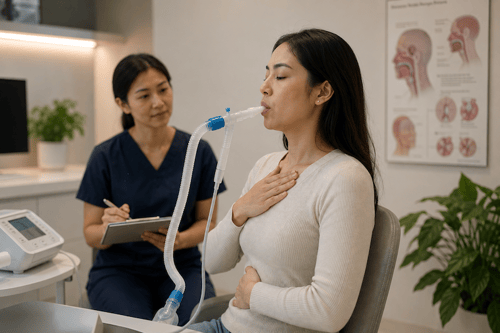
Breathing and Habit Therapy
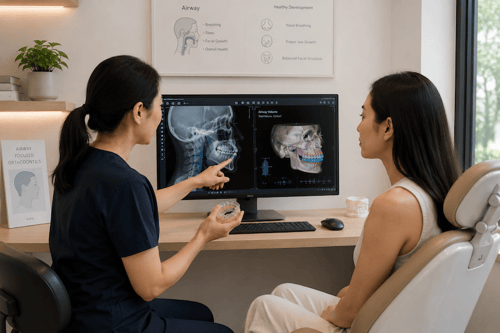
Airway-Focused Orthodontics
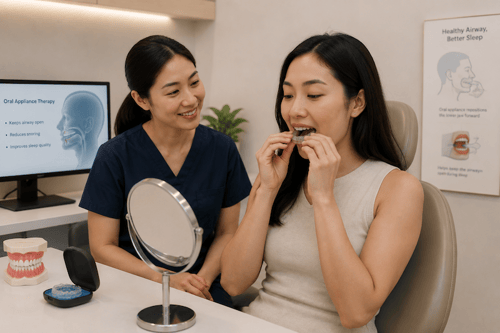
Oral Appliance Therapy

Collaborative Medical Care
Frequently Asked Questions
Have questions about airway, sleep or mouth breathing? Here are the most common questions we receive from our patients.
You should consult a dentist if you regularly breathe through your mouth, snore or wake up feeling tired despite a full night’s sleep. Additional oral symptoms include persistent dry mouth, teeth grinding or jaw discomfort. Early intervention is the best way to determine the root cause of your symptoms and prevent them from developing into more complex issues.
Our Holistic Dentist
Dr Christine Ma is a UK-trained holistic and biological dentist that takes a holistic approach to dentistry.
.png?width=1023&height=1280&name=Dr%20Christine%20Ma%20(1023%20x%201280).png)
Dr Christina Ma
Why Visit Dr Christine Ma
- Holistic and biological dentist with a focus on working with conditions experienced by:
- Pregnant women,
- Children who have material sensitivities,
- Patients with medical conditions or allergies and,
- Patients who have had previous bad dental experiences.
- UK-trained dentist who has worked in the United Kingdom for more than 10 years in both public and private service.
- More than 10 years of experience working with biomimetic and minimally invasive dentistry.
- Works with patients who want to correct their oral health in relation to their physical (systemic health).