SMART Safe Mercury Amalgam Removal
Doctor In-Charge: Dr Christine Ma
Amalgam fillings were once the default choice in dentistry globally. They are durable, affordable and easy to replace. However, in recent years, research has shown that the mercury content in amalgam fillings releases mercury vapour in small amounts throughout the lifetime of the filling. Today, many patients who received amalgam fillings in the past are choosing to have them removed, whether out of concern for their health or the desire for a biocompatible alternative.
At kohe™ Dental, all amalgam removals are performed using the Safe Mercury Amalgam Removal Technique — a clinically validated, IAOMT-certified protocol that ensures every stage of the procedure is carried out with the highest standard of protection for the patient, the clinical team, and the environment.
- Affordable and transparent pricing
- Experienced holistic dentist
- 24/7 patient support
Our Holistic Dentist

Dr Christina Ma
Why SMART Matters
Amalgam fillings are made up of approximately 50% mercury by weight. During normal daily activities such as chewing and brushing, mercury vapour is released in small amounts. Removing an amalgam filling without proper techniques can cause unnecessary mercury exposure for both the patient and the dental team, as drilling generates a much larger release.
The SMART Protocol was developed by the IAOMT (International Academy of Oral Medicine and Toxicology) specifically to address this gap. It is a clinically validated protocol that controls every route of exposure during the procedure to keep everyone safe.
Protection from Mercury Vapour Inhalation
Prevention of Mercury Ingestion and Skin Contact
Safe Handling and Disposal for Staff and the Environment
Clinical staff wear specialised masks, gloves and face shields throughout the procedure. An amalgam separator captures mercury waste from the suction line before it reaches the drainage system, ensuring that everyone is safe and protected.

Who Should Consider SMART
Amalgam fillings were once the default filling choice in dentistry for decades. This means that many adults are walking around with them in their mouths today. If you are considering having yours removed, whether for health reasons or as a precaution, the removal method is just as important as the decision to remove them. At kohe™ Dental, the SMART protocol is used for all amalgam removals, so patients can rest assured that necessary precautions are always taken.
You may be a suitable candidate if you fall into any of these categories:
- Patients who received amalgam fillings years ago and now want to remove them either for health or aesthetic reasons
- Higher risk groups including pregnant women, breastfeeding mothers, children, adolescents and immunocompromised patients
- Patients who began experiencing chronic fatigue, brain fog, joint pain, skin reactions or a persistent metallic taste after getting the filling and have not been able to resolve the symptoms through other methods
- Patients who have had amalgam fillings removed without the proper safety precautions and would like to limit further risk for future amalgam removals
SMART Cost
Transparent and Affordable Pricing
The cost of removing an amalgam filling through the SMART protocol varies from patient to patient. The final price of the procedure depends on the number of fillings being removed, the complexity of each tooth and the choice of replacement restorations.
At kohe™ Dental, the price of SMART starts from $650 ($708.50 with 9% GST). It is not claimable via MediSave and does not qualify for CHAS card subsidies. For more information, book an appointment or WhatsApp kohe™ Dental to receive a personalised quote.
SMART Process
Care That Starts With You
The SMART amalgam removal process at kohe™ Dental unfolds across three visits, each with a defined purpose: to assess, to treat, and to review. This structured approach ensures that every stage of your care is carried out with precision and that your safety and comfort remain the priority throughout.
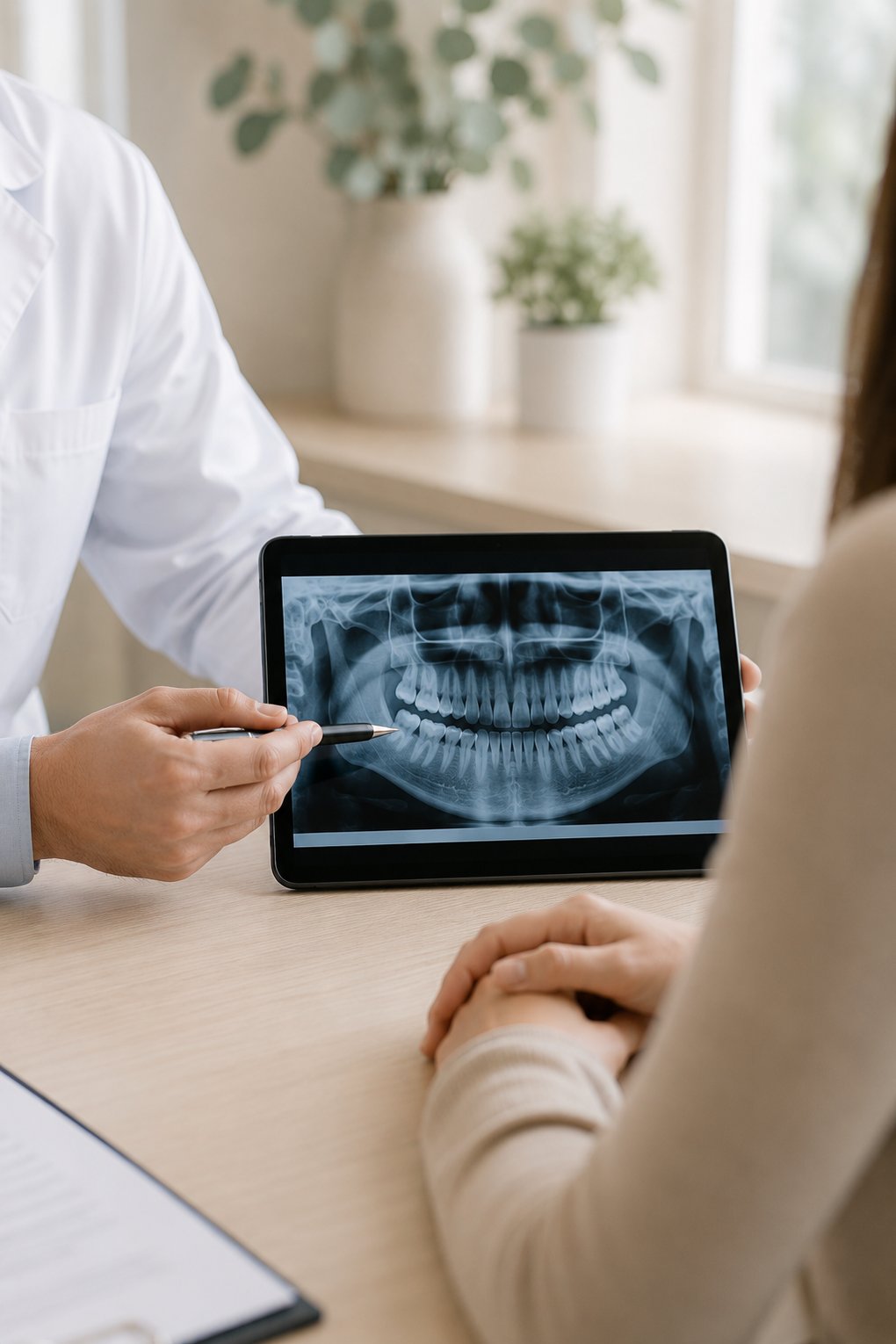
Your treatment journey begins with an in-person consultation at the kohe™ Dental Aesthetics Dedicated Centre located in the heart of Orchard Road. During this visit, you will meet your dentist and discuss your concerns and goals in detail. A comprehensive assessment, including dental X-rays and cone beam imaging, will be done to evaluate the condition of your fillings and surrounding teeth and bone. A personalised treatment plan will then be presented, detailing the treatment timeline and expected costs. Replacement restoration options are discussed at this stage to enable you to make an informed decision before the procedure.
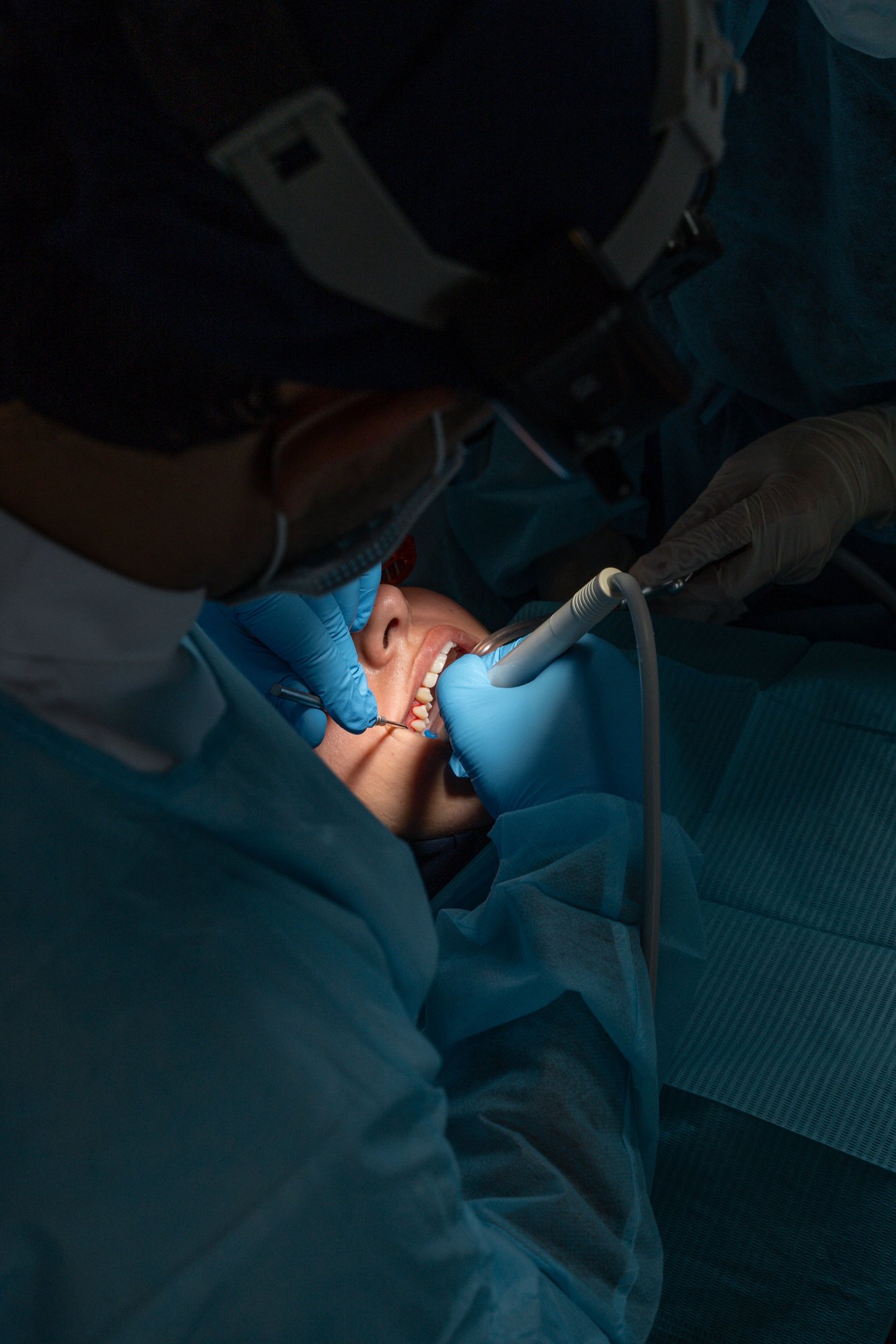
Before the procedure begins, local anaesthesia is administered to ensure your comfort throughout the process. A rubber dam is placed to isolate the tooth and prevent mercury particles from entering the rest of the mouth. The filling is then removed in large chunks using the chunking technique to minimise heat generation and subsequent mercury vapour release. A high-volume suction and room-level air filtration will run throughout to capture any airborne vapour and particles. You will breathe through an external oxygen supply for the duration of the procedure and rinse with activated charcoal before and after removal to ensure your safety. Once the filling is removed, the tooth is cleaned, and the agreed replacement restoration is fixed.
All amalgam waste is collected via an amalgam separator for safe and environmentally friendly disposal.
A follow-up appointment is scheduled shortly after your treatment to monitor the healing and ensure that the restoration is settling well. Your dentist will review how the treated teeth are responding and address any concerns. If necessary, you will also discuss the possibility of removing the remaining amalgam fillings.
Replacement Restorations After SMART
Once your amalgam fillings have been safely removed, the tooth will need to be restored with a biocompatible, mercury-free material. The right choice depends on the size of the cavity, the location of the tooth and personal preference. Some options include:
Composite Resin Fillings
Ceramic Inlays and Onlays
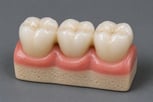
Full Ceramic Crowns
SMART vs Conventional Amalgam Removal
Any dentist can remove amalgam fillings. However, not all removal methods are equally safe. SMART protocol approaches removal with a structured set of controls designed to limit mercury exposure. On the other hand, conventional removal drills the filling out without any dedicated protective measures in place.
The following are some key differences between the two methods:
SMART Protocol
- Chunking technique minimises vapour release at the source
- External oxygen supply prevents inhalation of mercury vapour
- Rubber dam isolates the tooth and prevents particles from entering the mouth
- High-volume suction and room-level air filtration throughout treatment
- Activated charcoal rinse before and after removal
- Patient provided full body coverings for hair, skin and clothing
- Dental team wears masks, gloves and face shields
- Recommended for high-risk groups such as pregnant women, breastfeeding mothers, children and immunocompromised patients
Conventional Removal
- Standard drilling breaks the filling into fine particles, releasing mercury vapour
- No dedicated airway protection
- Rubber dam not used
- Standard dental suction only
- Activated charcoal rinse not provided
- Full body coverings not routinely provided
- Dental team only wears PPE
- Not recommended for high-risk groups such as pregnant women, breastfeeding mothers, children and immunocompromised patients
SMART: Frequently Asked Questions
Amalgam fillings contain approximately 50% mercury by weight and release small amounts of mercury vapour during everyday activities such as chewing, brushing, and grinding. Whether this level of exposure causes harm in healthy adults remains a contested topic. Regulatory bodies such as the ADA consider the levels low enough to be safe, while the IAOMT and biological dentistry community maintain that there is no established safe level of mercury exposure. What is agreed upon is that certain groups, such as pregnant women, children, and immunocompromised patients, are more vulnerable to mercury's effects. If you have amalgam fillings and are considering removal, a consultation with a holistic dentist will help you assess your individual situation.
SMART is a formally developed, research-backed protocol created by the International Academy of Oral Medicine and Toxicology (IAOMT), a non-profit organisation of dentists, doctors, and researchers founded in 1984. Dentists who perform SMART must complete a certified training programme through the IAOMT before they are permitted to use the designation.
This depends on the number of fillings, their size and location, and your overall health. Removing multiple fillings in a single visit is possible. However, many holistic dentists recommend a staged approach where fillings are removed one quadrant at a time to limit the body's mercury exposure in any one session and allow adequate recovery between visits.
Pregnant women are considered a high-risk group when it comes to mercury exposure, as mercury vapour can cross the placental barrier and affect foetal development. For this reason, elective amalgam removal is generally not recommended during pregnancy unless there is a clinical need. If you are planning a pregnancy, it is advisable to have your fillings removed beforehand.
SMART certification is issued by the IAOMT and requires completion of a formal training course and assessment. You can verify a dentist's certification directly through the IAOMT's website, which maintains a searchable directory of certified practitioners.
SMART Safe Mercury Amalgam Removal Knowledge Base
Explore articles on SMART Safe Mercury Amalgam Removal, why patients choose this treatment and what the process involves at kohe™ Dental.