Removal of Root Canal Treated Tooth
Doctor In-Charge: Dr Christine Ma
Most people assume that once a root canal is done, the tooth is sorted for life. What they may not realise is that a root canal-treated tooth is more vulnerable than it appears. Over time, it can fail in ways that leave extraction as the only remaining option.
At kohe™ Dental, we understand that the decision to remove a tooth is never taken lightly. Our approach is rooted in preserving natural teeth wherever possible, and extraction is only ever recommended when it is genuinely the best path forward for your long-term oral health. If removal is the right option, our team will ensure the process is handled with care and that you leave with a clear plan for what comes next.
- Affordable and transparent pricing
- Experienced holistic dentist
- 24/7 patient support
Our Holistic Dentist

Dr Christina Ma
Why a Previously Treated Tooth May Need Removal
A root canal is designed to treat an infected tooth, and it is often successful. However, there are times when the treatment can fail, especially in the later years. When this happens, removing the tooth may be the most appropriate option to protect your oral health and the surrounding teeth.
There are several reasons a previously treated tooth may reach this point:
Failed Retreatment
Vertical Root Fracture
Severe Bone Loss
Chronic Infection

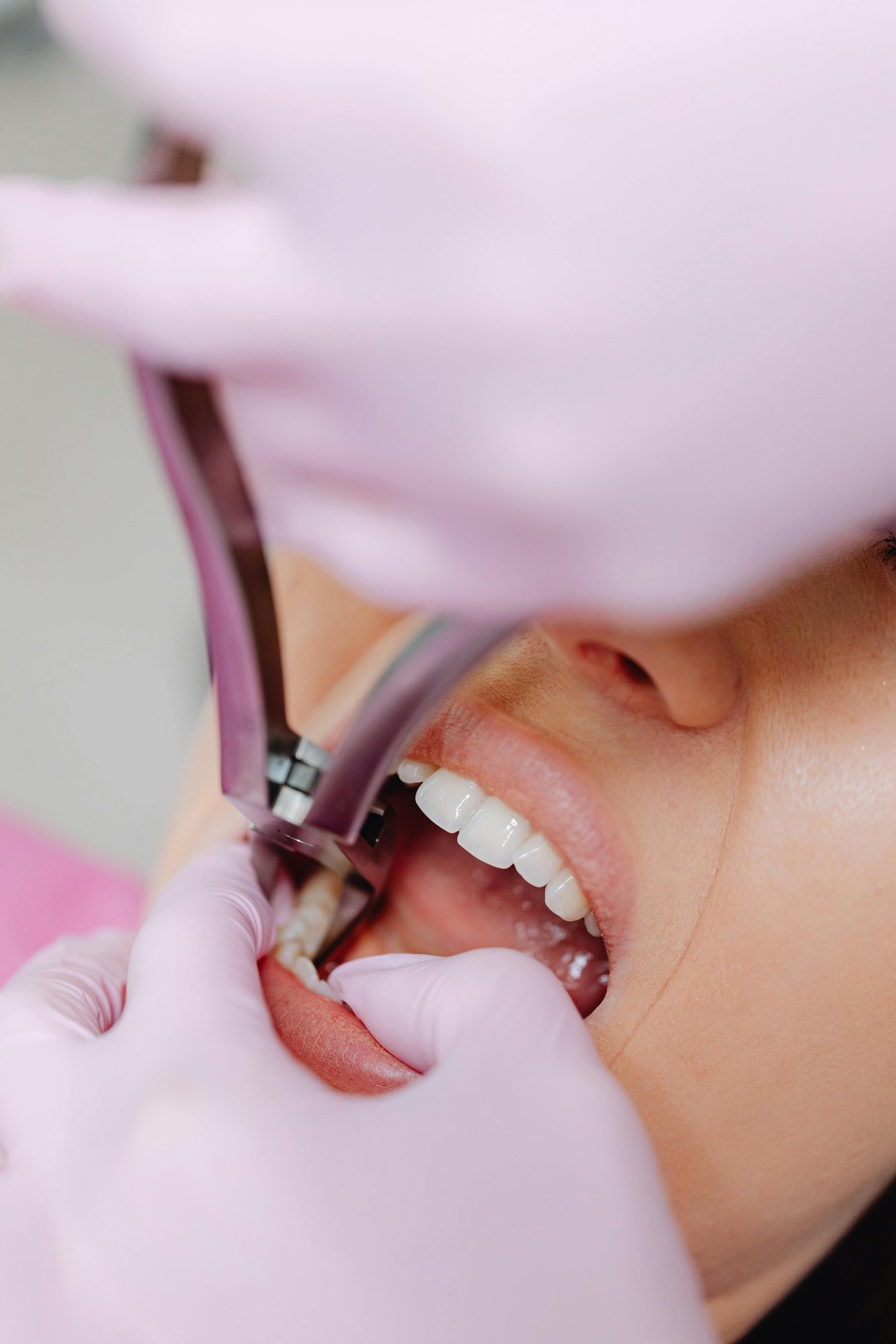
Benefits of Timely Removal of Root Canal-Treated Tooth
When a root canal-treated tooth can no longer be saved, timely removal is often the most protective step for your surrounding teeth and jawbone. Leaving a compromised tooth in place can allow infection to spread, accelerate bone loss, and complicate future treatment options. Acting early gives you the best foundation for whatever comes next.
- Resolves persistent infection that cannot be treated with antibiotics
- Prevents further bone loss in the jaw
- Protects the neighbouring teeth from damage or decay
- Preserves more bone for implant placement later
- Provides lasting relief from pain, pressure, or recurring symptoms
- Reduces overall treatment complexity and cost down the line
Who is Suitable for Removal?
Removal of a tooth canal-treated tooth may be recommended when a tooth can no longer be saved through other treatment options. Your dentist will carefully evaluate your symptoms, dental X-rays and overall health before making any recommendations.
You may be a suitable candidate for root canal-treated tooth removal if you have:
- A tooth with a confirmed vertical root fracture
- Persistent infection that does not resolve with antibiotics
- Severe bone loss around the root of a previously treated tooth
- A tooth that is too structurally compromised for a crown
- Recurring pain around the root canal-treated tooth
- A failed root canal retreatment
At kohe™ Dental, extractions are always our last resort. Our dentists will only recommend tooth removal if it benefits your overall, long-term health and never as a convenience. If there is a way to save your tooth, that option will be explored first.
If you would like to learn more about your treatment options, book an appointment or WhatsApp kohe™ Dental to speak with our experienced dental team.
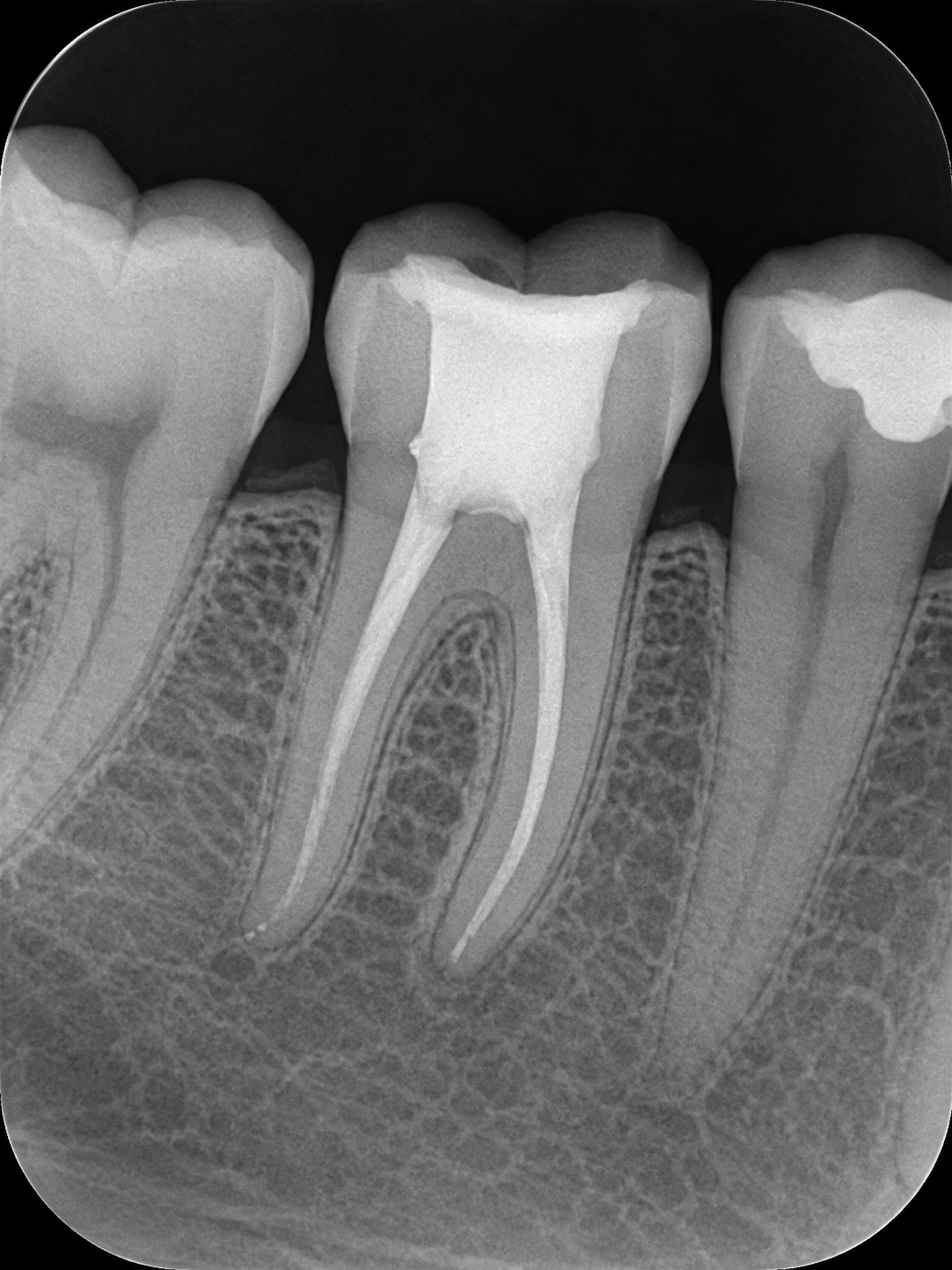
Removal of Root Canal Treated Tooth Process
Care That Starts With You
The removal of a root canal-treated tooth usually spans two to three appointments. At kohe™ Dental, our team of dedicated staff will ensure that you are comfortable at every stage.
Your treatment journey begins with an in-person consultation at the kohe™ Dental Aesthetics Dedicated Centre located in the heart of Orchard Road. During this visit, you will meet your dentist and discuss your concerns and goals in detail. A comprehensive assessment of your tooth and surrounding bone will be done. This may include dental X-rays and a CBCT scan, if necessary.
After evaluating your teeth and oral health, your dentist will suggest the most appropriate course of action. If extractions are recommended, your dentist will also discuss tooth replacement options with you.
On the day of your extraction, the area will be numbed with local anaesthesia to ensure your comfort throughout the procedure. As root canal-treated teeth can be brittle, your dentist will take extra care when removing the tooth to minimise trauma to the surrounding bone and tissue. If appropriate, your dentist will proceed immediately with tooth replacement. Alternatively, socket preservation may be recommended to maintain bone volume for future implant placement.
Approximately 1-2 weeks after the extraction, a follow-up appointment will be scheduled. During this visit, your dentist assesses the healing and ensures that the extraction site is recovering well. This is also when your dentist will confirm the next steps, which include an implant, bridge or dentures.
Cost of Removal of Root Canal Treated Tooth
The cost of removing a root canal-treated tooth varies depending on the case complexity, the position of the tooth and if additional procedures are required. During your consultation, your dentist will provide a personalised treatment plan with a detailed breakdown of the expected costs.
At kohe™ Dental, the price of removing a root canal-treated tooth starts from $200 ($218 with 9% GST). For a more precise quotation on the treatment, book an appointment or WhatsApp kohe™ Dental to speak with our experienced dental team.Removal vs Retreatment
When a root canal-treated tooth is failing, removal is not always the only option. In some cases, redoing the root canal treatment may still be a viable option. Understanding the key differences between the two options will help you to make a more informed decision on your dental care.
Removal of Root Canal Treated Tooth
- Permanently eliminates the source of the infection
- Recommended when all other options have been exhausted
- Requires a replacement plan for the gap left behind after the extraction
- Generally a more straightforward procedure with predictable outcomes
- May involve socket preservation to prepare for future implant placement
- Lower long-term cost
Second Root Canal Treatment
- Attempts to save the natural tooth
- Suitable when the original treatment was incomplete, or reinfection has occurred
- Preserves the natural tooth without needing extraction or replacement
- More complex than the first root canal treatment
- Success is not guaranteed
- May still require extractions in the future if the infection persists
Removal of Root Canal Treated Tooth: Frequently Asked Questions
Whether extraction or retreatment is the better option depends on the condition of the tooth. If the root canal treatment was previously incomplete or the reinfection has occurred without structural damage to the tooth, then retreatment might be an option. However, if the tooth has a vertical fracture, severe bone loss or has been retreated unsuccessfully, removal is likely the best long-term solution.
At kohe™ Dental, our dentist will always assess all other viable options before recommending an extraction.
In most cases, yes. Extracting an infected tooth removes the problem from the source, making a reinfection highly unlikely. However, if the infection has spread to the surrounding bone, additional treatment may be required to ensure a full restoration. This is why timely removal is important. The longer a failing tooth stays in place, the higher the risk of the infection spreading and affecting the surrounding bone and tissue.
It is recommended that the gap left by an extracted tooth be filled. Without a replacement, the surrounding teeth can shift, the opposing tooth can over-erupt, and the jawbone in the area will resorb over time. The tooth replacement options available at kohe™ Dental include: dental implants, dental bridges and partial dentures.
Removing a failing tooth is often the first step toward a longer treatment plan. Before extraction, it helps to consider your replacement options early for the best clinical and aesthetic outcome.
Common options include:
- Dental implant: The closest replacement to a natural tooth. A titanium or ceramic post is placed into the jawbone to support a crown, preserving bone structure and leaving neighbouring teeth unaffected. Suitable patients may have the implant placed at the time of extraction.
- Dental bridge: A fixed, non-removable restoration that uses the teeth on either side of the gap as anchor points to support a false tooth in between. A good option for patients who prefer to avoid surgery.
- Partial denture: A removable appliance that replaces one or more missing teeth. The most affordable option and requires no surgical procedure.
The extraction is performed under local anaesthesia, so discomfort during the procedure is minimal. A root canal-treated tooth can be more brittle, which sometimes makes the procedure more involved, but your dentist will make every effort to reduce trauma to the surrounding bone and tissue.
After the procedure, some soreness and mild swelling are expected during the first few days. This can be easily managed with over-the-counter pain medication.
Titanium Dental Implants Removal Knowledge Base
Explore articles on titanium dental implant removal, why patients choose this treatment and what the process involves at kohe™ Dental.