Ozone Therapy Debridement

Doctor In-Charge: Dr Christine Ma

Gum disease and oral infections are among the most common dental conditions, yet most patients are unaware that there is a less invasive and more targeted way to address them. Ozone therapy debridement uses the natural antimicrobial properties of ozone to eliminate harmful bacteria deep within gum pockets and infected tooth surfaces. It reaches areas that conventional cleaning instruments cannot, without the use of antibiotics or intensive scraping.

At kohe™ Dental, ozone therapy debridement is offered as part of our holistic, minimally invasive approach to dental care. Whether you are managing early gum disease or seeking a more thorough clean alongside your routine periodontal treatment, we are here to guide you through every step of your care.

  • Affordable and transparent pricing
  • Experienced holistic dentist
  • 24/7 patient support

Our Holistic Dentist

Dr Christine Ma is a holistic, minimally invasive dentist (BDS, Cardiff University) and the dentist people seek when all else has failed. When conventional dentistry keeps failing, it may be time to look deeper. Her philosophy is simple: treat the cause, not just the tooth. Every treatment option is minimally invasive, biocompatible and tailored to support your long-term well-being.
Dr_Christine_Ma_-_koheTM_Dental
Dr Christina Ma
Holistic, Biomimetic, and Laser Dentistry

Benefits of Ozone Therapy Debridement

Ozone therapy debridement offers a powerful yet gentle alternative to conventional cleaning methods. By harnessing the natural antimicrobial properties of ozone, this treatment works at a microscopic level to eliminate harmful bacteria and support the body's own healing processes, without the use of antibiotics or aggressive physical intervention.

Kills Bacteria that Instruments Cannot Reach
Ozone penetrates deep into areas within the mouth where conventional instruments are unable to reach. This makes it particularly effective at cleaning the bacteria that cause gum disease and tooth decay right at the source.
Minimally Invasive with Less Discomfort
Ozone removes most of the bacteria chemically, which translates to less physical scraping and cutting during the debridement process. Patients usually experience less trauma, reduced bleeding and a more comfortable overall experience, making it suitable for those with dental anxiety or pain sensitivity.
Supports Faster Healing and Tissue Recovery
In addition to its disinfecting properties, ozone also stimulates blood circulation and increases oxygen availability in the treated area, creating an environment that encourages the gums and surrounding tissue to heal more quickly.
group-smile
ozone-therapy-debridement

Who is Suitable for Ozone Therapy Debridement?

Ozone therapy debridement is a safe and versatile treatment that can benefit a wide range of patients. It is particularly suitable for individuals with dental anxiety or those seeking a less invasive, more holistic approach to their dental care.

You may be a good candidate for ozone therapy debridement if you:

  • Have been diagnosed with gum disease and are looking for a minimally invasive way to manage the condition
  • Have an active tooth decay or infected root surfaces that need to be disinfected before restoration
  • Prefer a natural alternative to managing oral infections that does not involve antibiotics
  • Have a history of slow healing
  • Experience dental anxiety or are more sensitive to pain

The best way to determine if you are suitable for the procedure is through a consultation and assessment with a dentist who can evaluate your oral health and recommend the appropriate care.

Ozone Therapy Debridement Cost

Transparent and Affordable Pricing

The cost of ozone therapy debridement varies depending on each patient's individual needs and the extent of the treatment required. Several factors influence the final cost, including the severity of the condition being treated, the number of sessions required, and whether ozone therapy debridement is used as a standalone treatment or in conjunction with other procedures.

At kohe™ Dental, the price of ozone therapy debridement is $200 ($128 with 9% GST) per quadrant or $50 ($54.50 with 9% GST) per socket with ozone water. For a detailed breakdown of the treatment cost, book an appointment or WhatsApp kohe™ Dental to speak with our experienced dental team.

dental-xray

Ozone Therapy Debridement Process

Care That Starts With You

Ozone therapy debridement has to be carefully planned to ensure the best possible outcomes. The exact number of visits required depends on the severity of the decay or damage.

At kohe™ Dental, our experienced dentists and clinical team take great care to ensure that you are comfortable at every stage of the treatment. From your initial consultation to your post-operative recovery, our team is here to guide you through every step.


First Visit: Consultation and Assessment

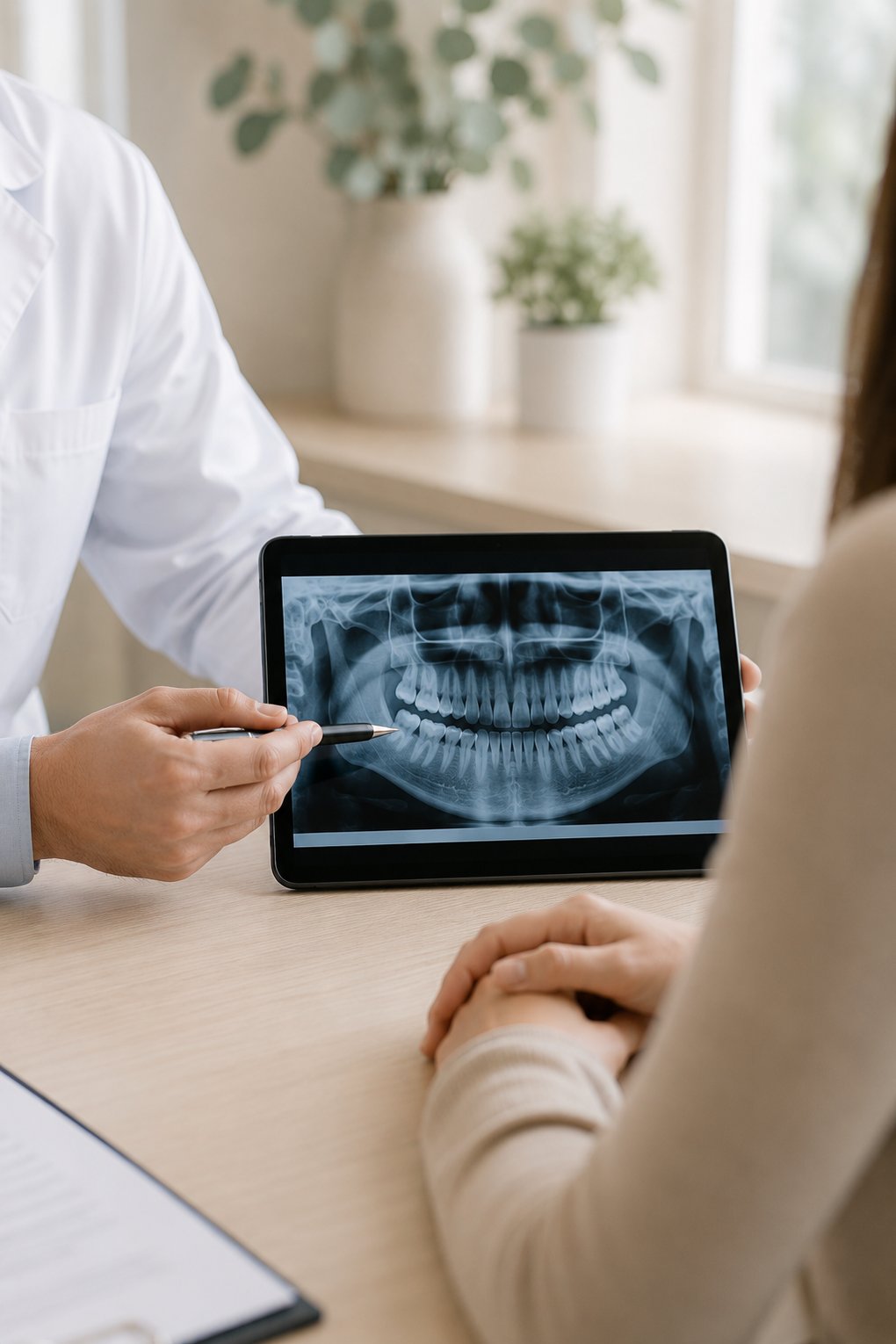
Your treatment journey begins with an in-person consultation at the kohe™ Dental Aesthetics Dedicated Centre located in the heart of Orchard Road. During this visit, you will meet your dentist and discuss your concerns and goals in detail. A comprehensive periodontal assessment will be done and may include dental X-rays and probing measurements to assess the depth of any gum pockets and identify areas of active infection or decay. After evaluating your teeth and oral health, your dentist will create a customised treatment plan, detailing the treatment timeline and expected costs.

Second Visit: Ozone Therapy Debridement

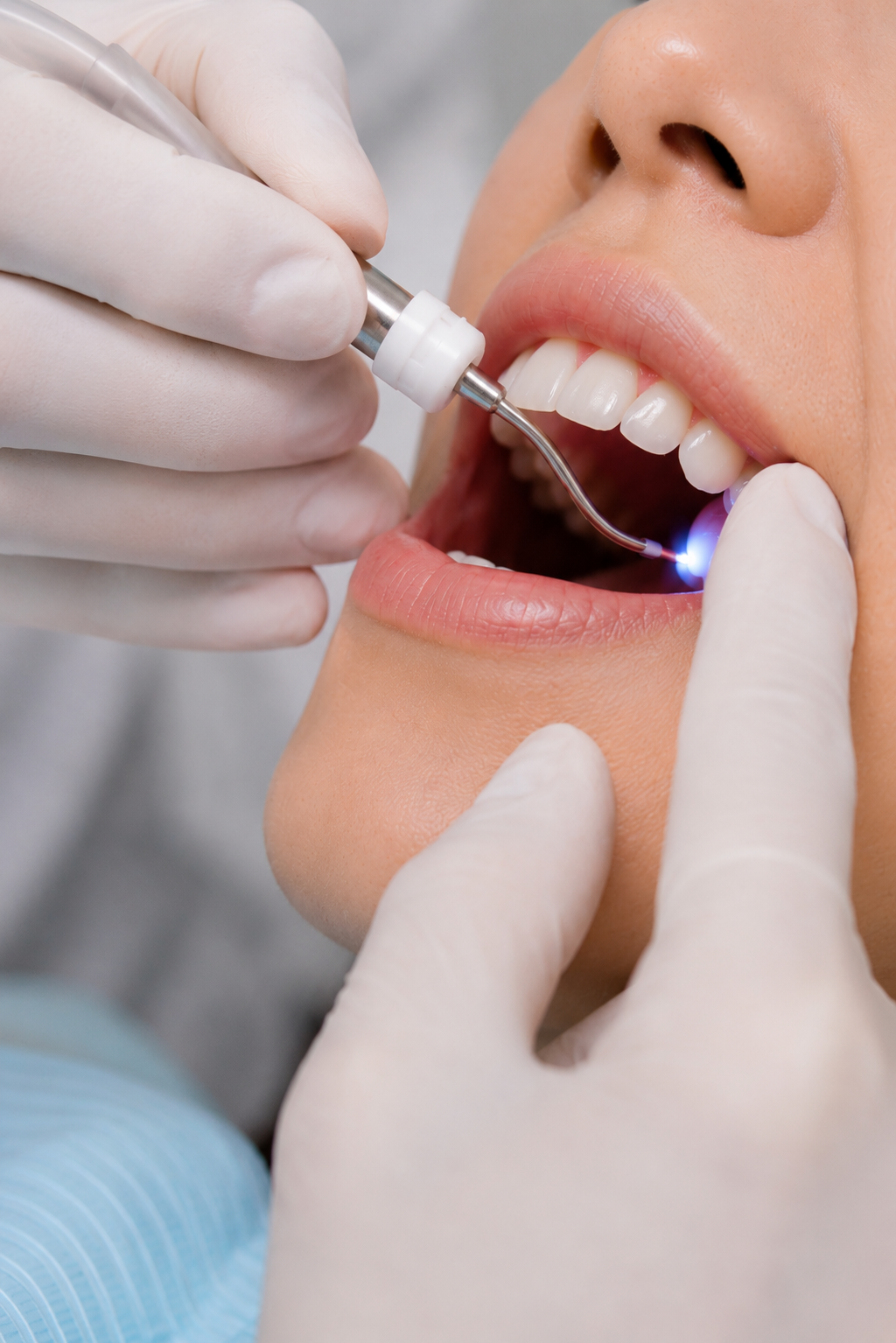
Once you have finalised your treatment plan with your dentist, your ozone therapy debridement will begin. During the treatment, ozone is applied directly to the affected areas in the form of ozone gas or ozone-infused water. The ozone penetrates deep into the gum pockets, root surfaces, and other sites to eradicate bacteria from its source. If necessary, traditional scaling and polishing will also be carried out to remove any excess plaque and tartar deposits. Most patients report that the procedure is comfortable and generally painless.

Third visit: Review and Monitoring

Approximately 4 to 6 weeks later, you will return to the clinic for your review appointment. Your dentist will reassess your gum health, evaluate how your tissues have responded to treatment, and determine whether any further sessions are needed. This is an important step in ensuring that the treatment has been effective and that your recovery is progressing well.

Ozone Therapy Debridement Alternatives

While ozone therapy debridement is an excellent non-invasive option for managing gum disease and oral infections, it might not be suitable in all cases. If ozone therapy debridement is not for you, your dentist may recommend the following alternatives:
conventional-cleaning
Conventional Scaling & Root Planning
The most widely used non-surgical treatment for gum disease. It involves the mechanical removal of plaque, tartar and infected tissue from tooth surfaces and below the gum line. This is often a dentist’s first choice of treatment, with ozone therapy debridement used for more comprehensive results.

antibiotic
Antibiotic Therapy
In cases where the bacteria are more widespread or unresponsive to mechanical treatment, your dentist may prescribe topical or systemic antibiotics to help control the infection. This is usually done with debridement instead of as a standalone treatment.
periodontal-surgery
Periodontal Surgery
This option is usually only used for patients with severe gum disease that has not adequately responded to less invasive treatment options.
Ozone Therapy Debridement vs Conventional Scaling & Root Planning

When treating gum disease and oral infections, ozone therapy, debridement and conventional scaling and root planning are the two most commonly recommended non-invasive treatments. While both fundamentally aim to remove bacteria and address gum disease, the approach, experience and suitability differ. Understanding the core differences between the two procedures can help you make a more informed decision about your dental care.

Ozone Therapy Debridement

  • Uses ozone gas or ozone-infused water to chemically eliminate bacteria
  • Penetrates deep into gum pockets and areas where dental instruments cannot access
  • Minimally invasive with less physical scraping
  • Does not involve antibiotics
  • May speed up healing time
  • Generally painless and comfortable
  • Best suited for patients looking for a holistic, minimally invasive approach

Conventional Scaling & Root Planning

  • Uses manual or ultrasonic instruments to physically remove plaque, tartar and infected tissue
  • Limited to areas that dental instruments can access
  • More physically intensive, especially for deeper pockets
  • May be combined with antibiotics in more severe cases
  • Standard healing time
  • May cause some discomfort and sensitivity
  • Best suited for patients with significant tartar buildup or those who require a well-established first-line periodontal treatment

Ozone Therapy Debridement: Frequently Asked Questions

Have questions about ozone therapy debridement? Here are the most common questions we get from our patients.
Is ozone therapy debridement safe?

Yes, ozone therapy debridement is safe when administered by a trained dentist with the appropriate equipment and dosages. Ozone breaks down into plain oxygen after contact with tissue, leaving no toxic residue behind. At kohe™ Dental, ozone therapy is always performed in a controlled clinical setting with your safety and comfort as the priority.

Does ozone therapy debridement replace conventional scaling & root planning?

No, ozone debridement therapy does not completely replace conventional scaling and root planning. Ozone debridement therapy should be used in conjunction with conventional scaling and root planning to achieve the best periodontal results. When these two treatments are done together by a trained and experienced dentist, the result is a more effective and thorough cleaning.

How many sessions of ozone therapy debridement will I need?

The number of sessions of ozone therapy debridement required depends on the severity of the individual patient’s condition and how well they respond to treatment.

Is ozone therapy debridement painful?

Ozone therapy debridement is generally painless and well-tolerated by many patients. The ozone does most of the antimicrobial work chemically, allowing dentists to remove the bacteria with less physical scraping than conventional debridement. Patients typically experience less tissue trauma and reduced sensitivity during and after the procedure.

Is ozone therapy debridement suitable for everyone?

Ozone therapy debridement is suitable for most patients. However, it does have its limitations. The procedure is less effective for conditions involving advanced bone loss or deep periodontal defects, where surgical intervention and mechanical debridement are required. The best way to determine whether ozone therapy debridement is suitable for you is through a consultation with a dentist who will assess your condition and recommend the most appropriate course of care.

dental-chair

Ozone Therapy Debridement Knowledge Base

Explore articles on ozone therapy debridement, why patients choose this treatment and what the process involves at kohe™ Dental.