Biomimetic Composite Fillings

Doctor In-Charge: Dr Christine Ma

Most people expect a filling to simply fill a hole. What they may not realise is that how a filling is built has a direct impact on how long the tooth lasts. Biomimetic composite fillings take a fundamentally different approach — rebuilding damaged or decayed teeth in carefully placed layers that mimic the strength and flexibility of natural tooth structure, reducing the risk of fracture and preserving more of what is already there.

At kohe™ Dental, biomimetic composite fillings are part of our commitment to holistic, minimally invasive dentistry. Whether you are restoring a new cavity or replacing an old filling, our team will ensure your treatment is tailored to the long-term health of your smile.

  • Affordable and transparent pricing
  • Experienced holistic dentist
  • 24/7 patient support

Our Holistic Dentist

Dr Christine Ma is a holistic, minimally invasive dentist (BDS, Cardiff University) and the dentist people seek when all else has failed. When conventional dentistry keeps failing, it may be time to look deeper. Her philosophy is simple: treat the cause, not just the tooth. Every treatment option is minimally invasive, biocompatible and tailored to support your long-term well-being.
Dr_Christine_Ma_-_koheTM_Dental
Dr Christina Ma
Holistic, Biomimetic, and Laser Dentistry

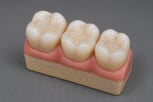
Benefits of Biomimetic Composite Fillings

Biomimetic composite fillings are designed to mimic the form and function of your natural teeth. Made from a metal-free material, they offer several advantages that can help support the long-term health of your smile.

Preserves More Natural Tooth Structure
Traditional fillings often require removing healthy teeth to create mechanical retention. On the other hand, biomimetic composite fillings focus on retaining as much healthy tooth as possible and rebuilding the tooth in a way that mimics its natural form and function.
Strengthens and Reinforces the Tooth
Biomimetic composite fillings are placed in carefully layered techniques that are designed to distribute biting forces evenly and reduce stress within the tooth. This helps to restore the tooth’s natural flexibility and resilience.
Natural-Looking, Metal-Free Option
Biomimetic composite fillings are made of tooth-coloured composite resin materials. It is matched to the colour and translucency of natural teeth, creating a seamless appearance without the use of metal.
group-smile
biomimetic-composite-filling

Who is Suitable for Biomimetic Composite Fillings?

Biomimetic composite fillings are suitable for a wide range of patients who want to restore damaged or decayed teeth while preserving as much natural tooth as possible. This approach is generally recommended to patients who prioritise natural-looking and metal-free results.

You may be a good candidate for biomimetic composite fillings if you have:

  • Tooth decay or cavities that require a fillings
  • Worn, chipped, or fractured teeth
  • Old fillings that are leaking, stained or need replacement
  • Sensitivity caused by exposed or damaged tooth structure
  • Small to moderate areas of tooth damage that can be restored without a crown
  • A preference for a metal-free, natural-looking restoration
  • A desire to preserve as much natural tooth as possible

The best way to determine if you are suitable for the procedure is through a consultation and assessment with a dentist who can evaluate your oral health and recommend the appropriate care.

Biomimetic Composite Fillings Cost

Transparent and Affordable Pricing

The cost of biomimetic composite fillings varies depending on the severity of the cavity or damage, the number of tooth surfaces that need to be restored and the complexity of the case. During your consultation, your dentist will assess the condition of your tooth and provide a personalised treatment plan.

At kohe™ Dental, the price of biomimetic composite fillings starts from $250 ($272.50 with 9% GST) for one surface and up to $390 ($425.10 with 9% GST) for three or more surfaces. For a more precise quotation on the treatment, book an appointment or WhatsApp kohe™ Dental to speak with our experienced dental team.

dental-xray

Biomimetic Composite Fillings Process

Care That Starts With You

Biomimetic composite filling is a straightforward procedure that can be completed within two visits for straightforward cases. At kohe™ Dental, our experienced dentists and clinical team take great care to ensure that you are comfortable at every stage of the treatment. From your initial consultation to your post-operative recovery, our team is here to guide you through every step.

First Visit: Consultation and Assessment

Your treatment journey begins with an in-person consultation at the kohe™ Dental Aesthetics Dedicated Centre located in the heart of Orchard Road. During this visit, you will meet your dentist and discuss your concerns and goals in detail. A comprehensive assessment, including dental X-rays, will be done. After evaluating your teeth and oral health, your dentist will advise you on your suitability for the treatment and create a customised plan for you.

Second Visit: Biomimetic Composite Filling

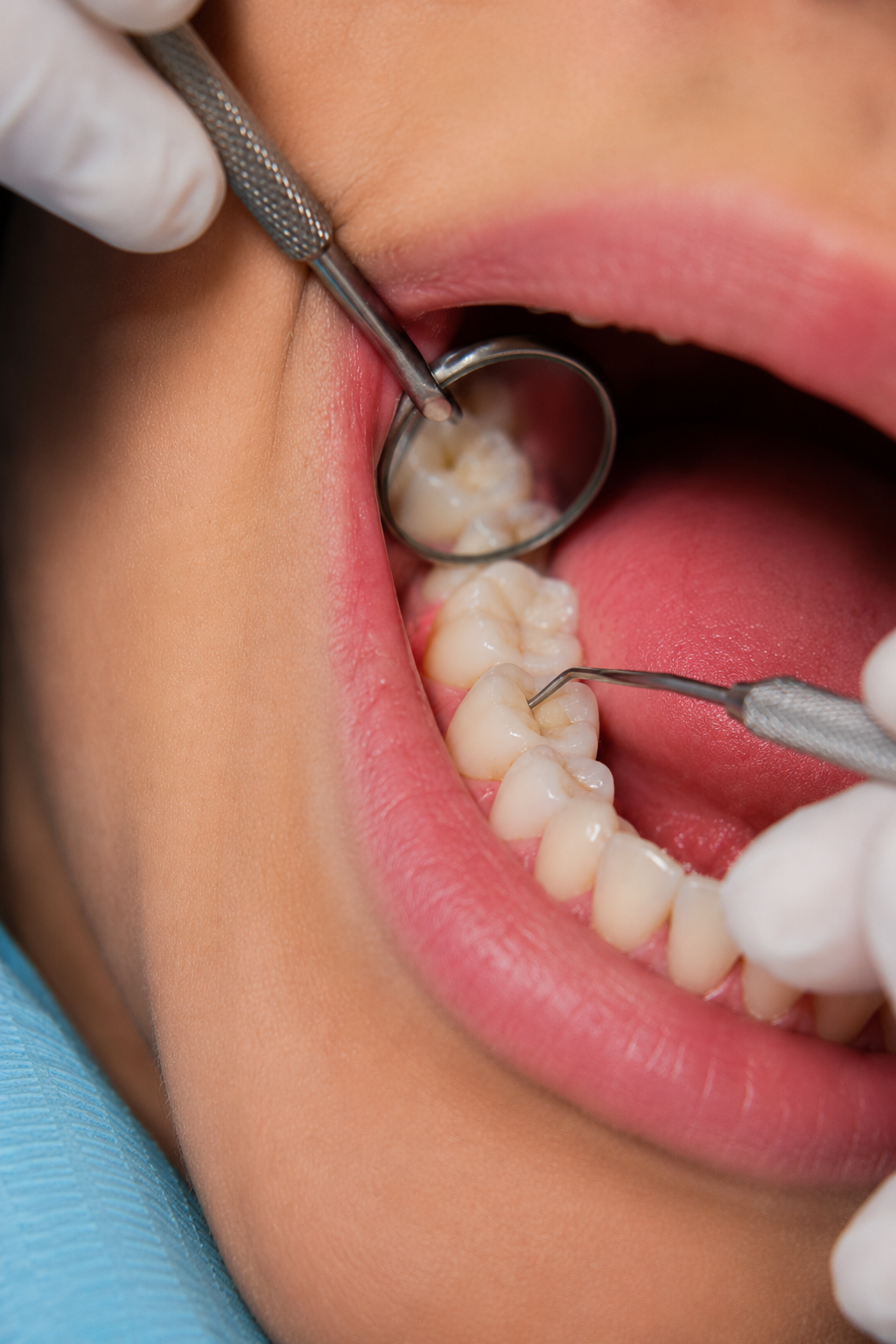
Once you have decided to proceed with the treatment, you will return to the clinic for your filling appointment. During this session, the area around your filling site will be numbed with local anaesthesia. Next, any decayed or damaged tooth structure is carefully removed. The tooth is then restored using advanced adhesive techniques and layers of tooth-coloured composite resin. Once the restoration is complete, it is shaped, polished and adjusted to ensure a comfortable bite. The result is a tooth that feels and functions just like a natural tooth.

Third visit: Follow-Up Visit (If Required)

Most biomimetic composite fillings are completed within a single session. However, larger or more complex restorations may require a review visit to assess healing and ensure that the filling is functioning well.

Biomimetic Composite Filling Alternatives

Biomimetic composite fillings are a well-suited option for patients who prefer a non-metal alternative to tooth restoration. However, there are certain situations, such as when the damage or decay is too large, where it might not be the best option. If biomimetic composite filling is not suitable for you, your dentist may recommend the following alternatives:
conventional-composite-filling
Conventional Composite Fillings
Standard tooth-coloured resin restoration. It uses the same material class but without the biomimetic layering protocol. Faster chair time, but might not last as long as biomimetic composite fillings.
amalgam-fillings
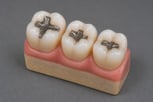
Amalgam Fillings
Silver-tin-mercury alloy with a long clinical track record. Highly durable material, but requires more natural tooth removal and has a metallic appearance.
ceramic-inlays-onlays
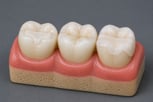
Ceramic Inlays/Onlays
Laboratory-fabricated restoration that is made from porcelain or zirconia. Durable and blends well with natural tooth. Better suited to large restorations where composite volume would be excessive.
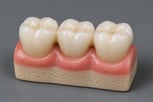
dental-crown-1
Full Crown
Caps the entire visible tooth. Usually recommended when the damage or decay is too extensive for an inlay or filling. Requires significant tooth reduction.
Biomimetic Composite Filling vs Conventional Composite Filling

For patients considering a composite filling, the choice often comes down to conventional or biomimetic. While both restore the tooth effectively, the two approaches differ in how the restoration is built, how it behaves under load, and how well it holds up over time.

Biomimetic Composite Fillings

  • Replicates the structure and mechanics of a natural tooth
  • Uses a layering protocol to mimic dentine and enamel separately
  • Preserves a large portion of the natural tooth
  • Smaller risk of polymerisation shrinkage due to the layering technique
  • Lower risk of fracture
  • Blends perfectly with natural tooth, creating a seamless appearance
  • Higher cost due to the complexity of the technique
  • Best suited for moderate to large restorations and patients prioritising long-term preservation

Conventional Composite Fillings

  • Restores tooth shape and function using composite resin
  • Often placed in bulk or simplified layers
  • May require removal of more natural tooth structure
  • Higher risk of polymerisation shrinkage due to bulk placement of filling
  • Higher risk of fracture
  • Does not blend perfectly with natural tooth and may appear visible in larger restorations
  • Lower cost
  • Best suited for small to moderate cavities where a straightforward restoration is sufficient

Biomimetic Composite Fillings: Frequently Asked Questions

Have questions about biomimetic composite fillings? Here are the most common questions we get from our patients.
How is a biomimetic composite filling different from a regular composite filling?

Both biomimetic composite fillings and regular composite fillings use a composite resin to restore a damaged tooth. The main difference is that biomimetic composite fillings are placed in layers to mimic the distinct properties of dentine and enamel. On the other hand, regular composite fillings are placed in a single uniform block. The layering controls the shrinkage stress during setting, strengthens the restored tooth, and reduces the risk of future cracks. The result is a restoration that feels and functions like a natural tooth.

Is biomimetic composite filling safe and mercury-free?

Yes, biomimetic composite fillings do not contain metal or mercury. The filling is made up of tooth-coloured composite resin and advanced dental adhesives. This makes it an ideal choice for patients seeking a holistic or mercury-free alternative to their dental restorations.

How long does a biomimetic composite filling last?

With proper dental care, oral hygiene and regular review appointments, a well-placed biomimetic composite filling can last many years. The layering protocol used minimises shrinkage stress and strengthens the tooth against fractures and breakage, allowing it to outperform conventional composite fillings in long-term durability, especially in large cavities.

Will I need a crown after a biomimetic composite filling?

Not necessarily. One of the key goals of the biomimetic approach is to preserve sufficient natural tooth structure and restore it effectively enough that a crown can be avoided in the long run. By reinforcing weakened cusps and sealing dentine properly, the restoration reduces the conditions that typically lead to crown placement.

Is the procedure painful? What is the recovery like?

Biomimetic composite fillings are done under local anaesthesia. This reduced the discomfort during the treatment. Some patients may experience mild sensitivity in the following days, though this is generally less common with biomimetic restorations than with conventional fillings due to the thorough dentine sealing involved. Most patients are able to return to normal eating and drinking on the same day. 

dental-chair

Biomimetic Composite Fillings Knowledge Base

Explore articles on biomimetic composite fillings, why patients choose this treatment and what the process involves at kohe™ Dental.